
Thermal Efficiency: How Roof Linings Cut Central AC Electricity Bills (July 2026)
Thermal Efficiency – Boosting thermal efficiency with better roof linings and wall systems lowers building energy demands and central AC electricity bills, with data‑driven examples and case‑style savings calculations. Thermal efficiency and roof linings:…

Thermal Efficiency – Boosting thermal efficiency with better roof linings and wall systems lowers building energy demands and central AC electricity bills, with data‑driven examples and case‑style savings calculations.
Thermal efficiency and roof linings: energy demand and bill pressures
In Australian climates, roofs and ceilings play an outsized role in how much energy buildings use for cooling and heating. National and regional guidance consistently shows that optimizing the building envelope—particularly the roof, ceiling cavity, and upper walls—can cut cooling energy demand by double‑digit percentages in both commercial and residential buildings. When thermal efficiency is low, central air‑conditioning systems must compensate by running longer and harder, driving up peak electricity demand and annual bills. As energy prices and performance standards tighten, owners and tenants are increasingly looking to roof linings and wall upgrades as a first‑line strategy to reduce HVAC energy use before investing in new equipment.
Early introduction: where CeilingPro fits in thermal‑efficient roof linings
CeilingPro, an Australian‑based ceiling and roofing solutions specialist, focuses on upgrading ceilings, roof linings, and related structures to improve building performance and comfort. Its services are designed for both retrofit and new construction, enabling owners to enhance thermal efficiency without major structural changes. For building operators looking to lower central AC electricity bills, CeilingPro’s roof lining and ceiling upgrade solutions provide a practical route to improve thermal resistance, reduce heat gain, and support more stable indoor temperatures in line with local building practices and standards.
What is thermal efficiency in roof linings?
Thermal efficiency in roof linings refers to the ability of the roof‑ceiling‑wall assembly to resist unwanted heat flow between indoors and outdoors. It is governed by insulation levels (R‑values), material conductivity, surface reflectivity, air sealing, and how the ceiling and roof layers are configured. When roof linings and wall systems have high thermal resistance and effective radiant and convective control, the building loses less heat in winter and gains less heat in summer. Central air‑conditioning systems then require less energy to maintain comfort, reducing electricity consumption and improving temperature stability across rooms.
Pain points: roof‑driven energy waste and underestimated AC costs
Many Australian buildings, especially older commercial stock and lightweight structures, have roofs and ceilings that were not designed with modern thermal efficiency expectations in mind. One pain point is excessive roof‑driven heat gain during hot periods. Solar radiation heats roof sheets and attic spaces, and low‑performance linings or minimal insulation allow this heat to penetrate into occupied areas. Central AC systems must remove this extra heat, increasing compressor run time and fan energy use, particularly during afternoons and heatwaves.
Uneven comfort is another common issue. Buildings often exhibit hot and cold spots because roof and wall assemblies differ between wings, floors, or rooms. Central AC systems may be oversized to compensate for worst‑performing zones, which wastes energy in better‑insulated areas and complicates control strategies. Occupants respond by adjusting thermostats room by room, adding portable units or fans, and opening windows, further undermining system efficiency.
A third pain point is the tendency to focus on equipment upgrades while ignoring the envelope. Owners may invest in higher‑efficiency chillers or packaged central AC systems but retain low‑performance roof linings and wall assemblies. Even high‑COP equipment struggles to deliver expected savings if the building shell leaks heat. Electricity bills remain high and variable, and many operators misattribute the problem to HVAC hardware rather than the underlying thermal shell.
Finally, perceived project complexity and unclear payback periods often delay roof and wall improvements. Without clear, quantified examples showing how better thermal efficiency translates into central AC electricity savings, ceiling‑focused upgrades may be seen as comfort enhancements rather than financial investments. This prevents owners from capturing relatively simple savings that can accumulate year after year.
Key statistic: why thermal efficiency pays back in AC bills
Representative studies and case analyses suggest that improving roof and insulation performance in suitable Australian buildings can reduce cooling energy demand by roughly 20–40%, leading to similar reductions in central AC electricity use during peak seasons when baseline thermal efficiency is low.
Comparison: CeilingPro roof lining upgrades vs common alternatives
Function details: how roof linings boost thermal efficiency and reduce AC bills
R‑value improvements and reduced heat flow
One of the primary functions of upgraded roof linings is to increase the effective R‑value of the roof‑ceiling assembly. By adding or complementing higher‑performance insulation and improving material choices, roof linings reduce conductive heat transfer into and out of the building. In summer, less heat enters from the roof; in winter, less heat escapes. This reduction in thermal load means central AC systems do not need to run as long or as often to maintain setpoint temperatures, decreasing electricity use.
Reflective and radiant heat control
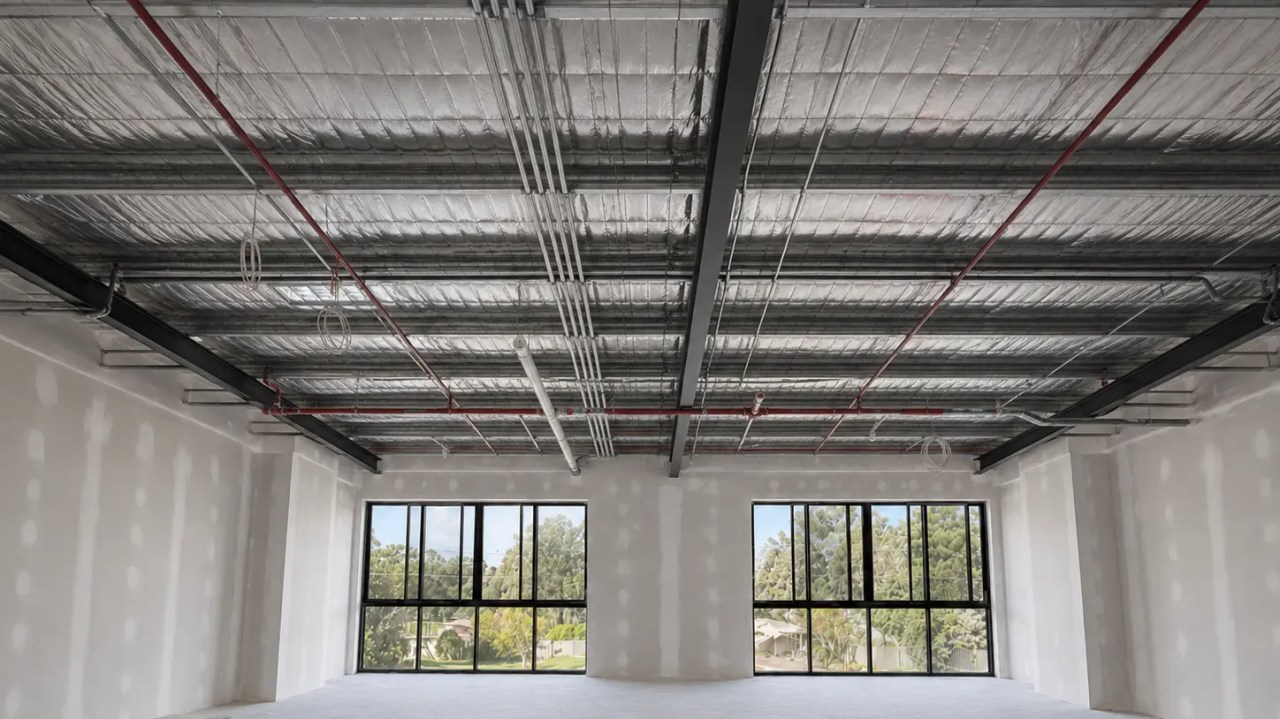
Roof linings can incorporate reflective layers or work in tandem with reflective roof surfaces to minimize radiant heat transfer from hot roofs into occupied spaces. Reflective roofs and ceilings lower the temperature of attic spaces and ceiling surfaces, reducing the sensible heat load on the building during daytime peaks. When combined with proper insulation, this radiant control can significantly cut cooling energy demand in climates with strong solar exposure.
Air leakage reduction and thermal bridge control
Effective roof and wall linings address air leakage paths and thermal bridges, such as poorly sealed penetrations, gaps around ductwork, and conductive junctions between materials. Reducing infiltration and exfiltration ensures that cooled or heated air stays in the conditioned zones. Lower leakage improves the real‑world performance of central AC systems, allowing them to maintain comfort with less energy input.
Example savings calculations: translating thermal efficiency into AC electricity reductions
Consider a single‑storey office building with a lightweight roof and limited insulation. Baseline modeling suggests that roof‑driven heat gain accounts for around 30% of its annual cooling energy use. After a CeilingPro‑style roof lining and ceiling upgrade that doubles the effective R‑value and adds better radiant control, cooling energy demand falls by approximately 25%. If the building’s central AC system used 100,000 kWh per year for cooling, that 25% reduction would lower consumption to about 75,000 kWh, saving 25,000 kWh annually.
In a retail building with large roof area and moderate insulation, peak summer cooling loads are 20% above design expectations. A combination of improved roof linings, additional insulation, and reflective treatments reduces roof surface temperatures and attic heat buildup. Modeled results show peak cooling loads dropping by about 20%, which not only lowers electricity use during hot days but also reduces demand‑related charges where applicable.
A clinic with mixed ceiling performance and noticeable temperature differences between rooms undertakes targeted roof lining upgrades and better sealing of ceiling penetrations. Thermal shell ratings rise, and cooling energy demand is projected to fall by 15–20% based on occupancy and climate. If central AC bills for cooling were previously $20,000 per year, a 15–20% reduction would translate into annual savings of roughly $3,000–$4,000.
Cross‑selling: combining CeilingPro roof linings with other envelope and HVAC measures
Roof lining improvements integrate well with other energy and comfort strategies. CeilingPro‑style upgrades can be coordinated with wall insulation enhancements, duct sealing, and ceiling tile replacements to create a comprehensive thermal shell strategy. When envelope improvements are combined with sensible HVAC upgrades—such as better control systems, zoning, and efficient central AC units—buildings capture both load reduction and equipment efficiency gains.
Owners planning major HVAC replacements can work with ceiling and roof specialists to sequence envelope upgrades first. A more efficient thermal shell reduces calculated heating and cooling loads, allowing engineers to specify smaller or lower‑capacity central AC systems without sacrificing comfort. This can reduce capital expenditure and ongoing electricity use. CeilingPro’s focus on ceilings and roofs makes it a natural collaboration partner for mechanical and energy consultants seeking integrated solutions.
How‑to: step‑by‑step method to quantify thermal efficiency gains and AC bill savings
-
Establish baseline AC electricity use and thermal performance.
Gather recent energy bills and isolate central AC electricity consumption as far as possible. Note seasonal patterns, especially summer peaks. Use available rating tools or simple heat‑gain assessments to understand current thermal shell performance, focusing on roof and ceiling assemblies. -
Survey roof and ceiling conditions in detail.
Inspect roof types, insulation thickness and coverage, ceiling linings, and visible penetrations. Look for signs of heat ingress, such as hot ceilings, inconsistent insulation, or poorly sealed ducts. Document roof orientation, shading, and existing reflective surfaces to establish how much solar load is currently impacting the building. -
Define realistic thermal efficiency improvement targets.
Set goals for increasing R‑values, enhancing reflectivity, and tightening air sealing in roofs and walls. Identify which CeilingPro‑type roof lining solutions can achieve these targets in specific building areas, and outline the scope of upgrades for each zone to allow for staged implementation if needed. -
Model energy and cost impacts of proposed upgrades.
Use building energy calculation tools or simplified heat‑gain models to compare annual cooling energy demand before and after the planned roof lining improvements. Convert the energy reductions into expected central AC electricity savings using current tariffs, estimating both kWh and cost reductions for typical weather years. -
Plan and execute roof lining upgrades with minimal disruption.
Develop a project timeline that aligns ceiling and roof works with occupancy schedules and maintenance windows. Coordinate with AC technicians to ensure that system controls, setpoints, and zoning are adjusted once the thermal shell improves, preventing overcooling or unnecessary run times. -
Monitor post‑upgrade performance and refine strategies.
After completion, track central AC electricity usage and comfort metrics over at least one full cooling season. Compare actual data with modeled expectations. Use findings to fine‑tune thermostat settings, identify further envelope improvements, or adjust HVAC equipment plans, gradually building an evidence‑based portfolio of energy savings.
Usage scenarios: traditional practice vs thermal‑efficient roof lining strategies
Scenario 1: Office building relying on equipment upgrades alone
Traditional practice: The owner replaces the central AC plant with a more efficient system but leaves the roof and ceiling largely unchanged. Cooling bills decrease slightly, yet peak demands remain high during heatwaves, and some top‑floor rooms are still hard to cool.
After thermal‑efficient roof lining upgrades: Roof linings and ceiling insulation are improved, raising the assembly’s thermal resistance and reducing solar‑driven heat gain. Modeled and observed data show cooling energy demand reductions of around 20–25%, translating into central AC electricity savings of a similar magnitude and more stable comfort across levels.
Scenario 2: Retail building using portable units to fight hot spots
Traditional practice: Managers deploy portable AC units and fans under hot roof sections in an attempt to remedy localized discomfort. Electricity use rises sharply, and noise and clutter affect customer experience, while the underlying thermal shell remains weak.
After thermal‑efficient roof lining upgrades: Professional roof linings and additional insulation reduce localized heat gain. Central AC can maintain target temperatures more evenly, allowing removal of portable units and lowering overall cooling electricity consumption. Comfort improves, and energy monitoring shows a clear downward trend in summer AC costs.
Scenario 3: Healthcare clinic with high AC run times and uneven room temperatures
Traditional practice: Central AC runs nearly continuously during summer to maintain acceptable temperatures, yet some consultation rooms are noticeably warmer due to poor ceiling and wall performance. Staff adjust thermostats repeatedly, but bills remain high and complaints persist.
After thermal‑efficient roof and wall lining upgrades: Targeted improvements raise the building’s thermal shell rating and reduce cooling load. AC run times drop, temperature differences between rooms narrow, and annual electricity costs for central cooling fall by roughly 15–20%, while occupants report more consistent comfort.
FAQ: thermal efficiency, roof linings, and central AC electricity savings
How much can improving roof linings and wall thermal efficiency reduce central AC electricity bills?
Savings depend on climate, building type, and baseline envelope quality, but in many Australian scenarios, enhancing roof and insulation performance can reduce cooling energy demand by around 20–40%. For buildings where cooling dominates AC energy use, central AC electricity bills can fall by similar percentages, particularly in summer.
Do thermal‑efficient roof linings help with heating bills as well as cooling bills?
Yes. Roof and wall assemblies with higher thermal resistance slow heat loss in winter as well as heat gain in summer. Central AC systems used for heating or reverse‑cycle operation require less energy to maintain setpoints, contributing to lower electricity costs across the year.
Is it necessary to upgrade central AC equipment at the same time as roof linings?
It is not strictly necessary. Many owners achieve significant energy savings by improving roof linings, insulation, and sealing while keeping existing AC systems. However, when equipment is due for replacement, a better thermal shell allows smaller or more precisely sized systems, unlocking additional savings and potentially lower capital costs.
How can building owners estimate the payback period for roof lining thermal efficiency upgrades?
Owners can estimate payback by modeling cooling and heating energy demand before and after proposed envelope improvements, converting energy reductions into cost savings using current tariffs. Dividing the total investment cost by annual savings gives a rough payback period, which can be refined with actual performance data after implementation.
Do cool roofs and reflective roof linings work well with CeilingPro‑style ceiling upgrades?
Reflective roofs and roof linings complement ceiling and insulation improvements. When reflective surfaces reduce roof and attic temperatures and ceiling linings provide strong thermal resistance and sealing, buildings can achieve greater reductions in cooling energy demand and peak loads than with either measure alone.
Will improving thermal efficiency make buildings too sealed or uncomfortable in milder weather?
Properly designed thermal efficiency upgrades focus on reducing unwanted heat flows and air leakage while maintaining appropriate ventilation and indoor air quality. When paired with suitable HVAC controls and ventilation strategies, better roof linings and wall assemblies enhance comfort and energy performance without making spaces feel stuffy or over‑sealed.
Conclusion: turning roof linings into a central AC savings engine
Thermal efficiency in roofs and walls is a key driver of central AC electricity use and overall comfort. In climates where solar gain and roof heat play a major role, upgrading ceiling and roof linings can substantially lower cooling energy demand, particularly in older or lightweight buildings. By shifting the focus from equipment‑only solutions to envelope performance, owners and operators unlock a more sustainable, long‑term path to managing AC costs. Carefully planned roof lining projects, supported by basic modeling and real‑world monitoring, can transform everyday building elements into reliable energy‑saving assets.
CTA and brand‑style one‑line summary
If you are looking to cut central AC electricity bills while stabilizing indoor comfort, consider a thermal efficiency‑focused roof lining and ceiling upgrade with professional design and data‑driven savings projections. Roof and wall improvements turn the building envelope into part of the energy strategy, helping Australian properties meet performance goals and reduce long‑term operating costs.
Sources
NCC 2025 Energy Efficiency – Building Envelope Measures Report 2024
Your Home – Insulation guidance 2023
BlueScope – Thermal performance of roofing materials 2023
Technical guidelines for energy efficiency and conservation in commercial buildings 2023
Related articles
 28 Course Ceiling Height in Metres: How the Numbers WorkCeiling Design, Features & Heights
 Repair a Hole in Plasterboard: Matching the Method to the DamageCracks, Holes & Plasterboard Patching
 Thermal Facade Insulation Systems in Perth: Where They BelongKnowledge
 Cold Insulation Perth: Cold Rooms, Freezers and Refrigerated SpacesKnowledge