Can Meth Lab Ceilings Be Safely Removed and Replaced in WA?
A suspected meth lab ceiling should never be treated as a normal plasterboard repair. In Perth, contamination may involve methamphetamine residue, corrosive chemicals, dust, insulation and HVAC pathways. Independent testing must determine the extent…

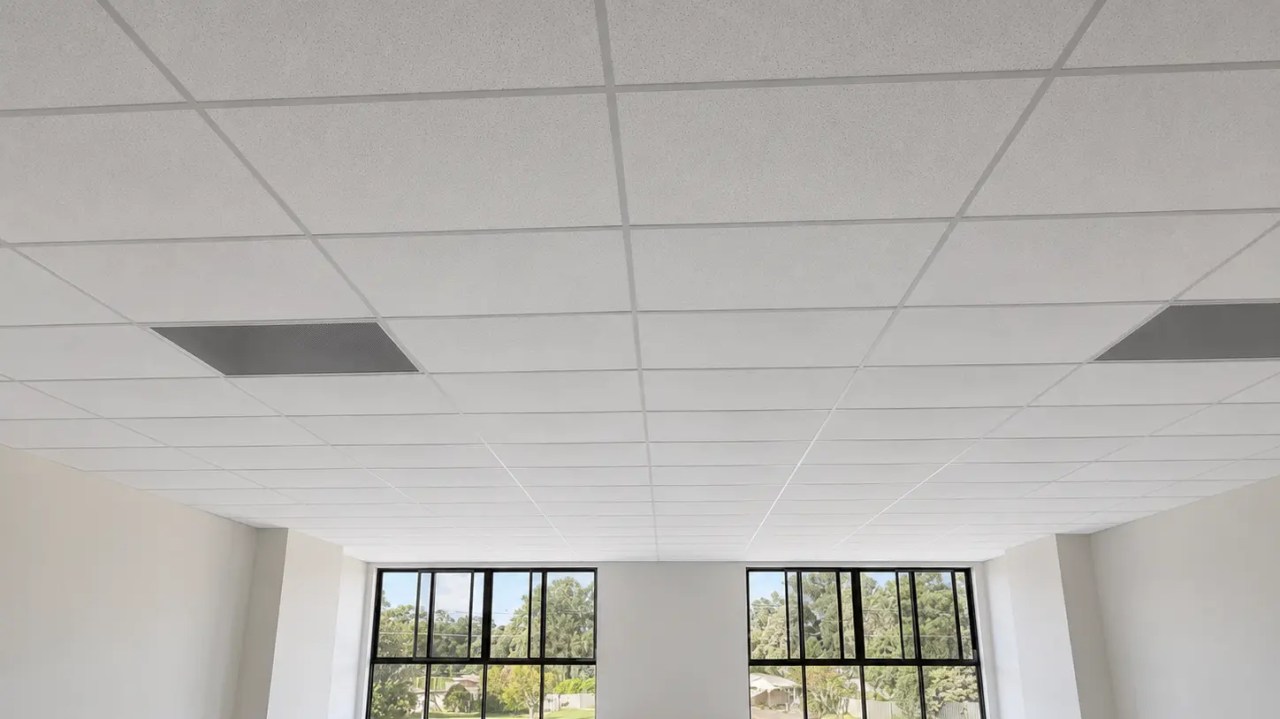
A suspected meth lab ceiling should never be treated as a normal plasterboard repair. In Perth, contamination may involve methamphetamine residue, corrosive chemicals, dust, insulation and HVAC pathways. Independent testing must determine the extent first. Where porous ceiling materials cannot be remediated and validated below the relevant health investigation level, controlled removal and replacement is often the safest path.
chemical damage ceiling removal
What Makes a Meth Lab Ceiling Different From a Smoke House Ceiling?
A meth lab ceiling can be affected by a broader mix of chemicals than a property where meth was only smoked. Manufacturing activities may leave corrosive vapours, spills, particulates and residues that travel into ceiling cavities, insulation and ventilation routes.
The distinction matters because a former drug-smoking property is not automatically a former clandestine laboratory. In Western Australia, assessment should begin with evidence: police or insurer information, tenant history, visible damage, odours, residue patterns and properly collected samples.
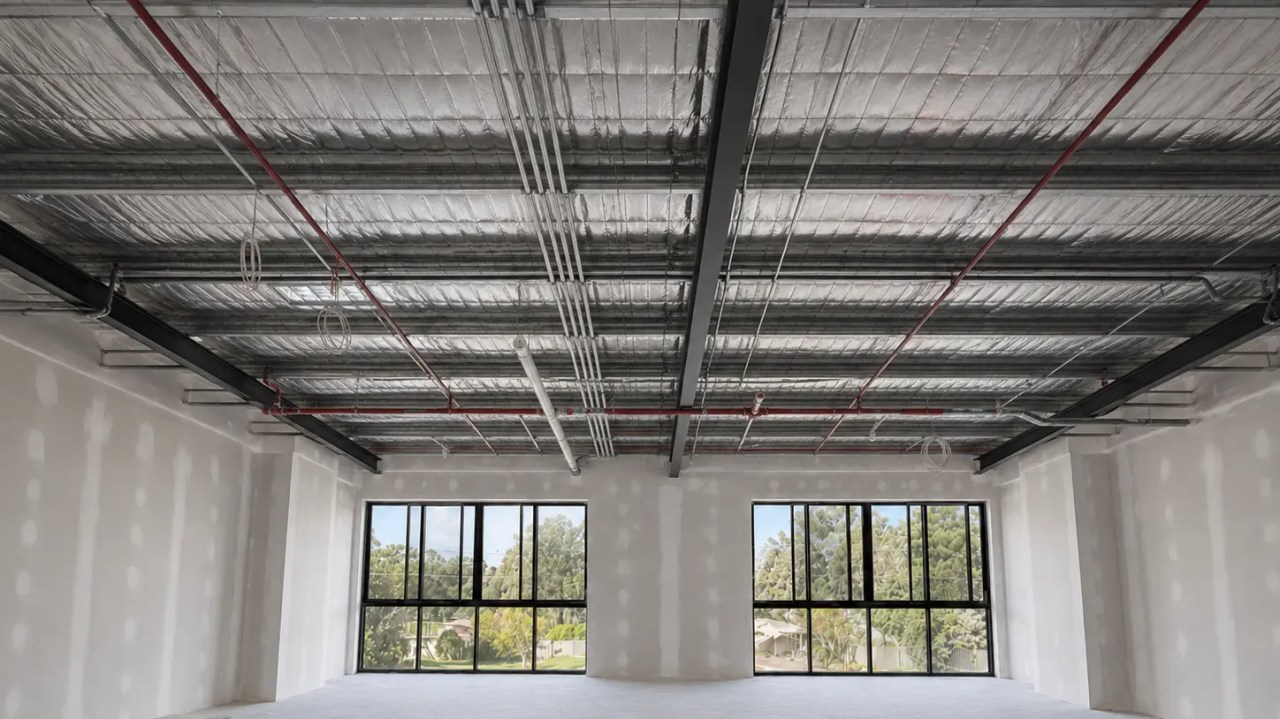
In ceiling work, we look beyond the visible board face. A ceiling can appear freshly painted while its roof cavity contains contaminated insulation, dust around downlights, damaged foil, stained timber or residue on ductwork. A simple wipe-down is not a substitute for an assessment of these concealed areas.
For ceilingPro, the first rule is straightforward: do not quote a “meth ceiling replacement” from photographs alone. The ceiling lining, cornices, access hatches, insulation, light fittings, exhaust penetrations and air-conditioning registers must be considered as one connected system.
How Is Ceiling Contamination Tested Before Removal?
Testing starts with a documented inspection, screening samples and, where indicated, laboratory analysis that maps the level and distribution of residues. The aim is not merely to find a positive result; it is to establish which rooms, surfaces and ceiling components require remediation.
In Perth and across WA, a competent investigation separates surface testing from material-condition assessment. A swab result measures removable residue on a defined surface area. It does not, by itself, prove that contamination has travelled through the full thickness of a 13 mm plasterboard sheet.
That distinction prevents two costly errors:
-
Removing an entire ceiling based on a single elevated swab near a light fitting.
-
Declaring a ceiling safe because a newly painted face produces a low surface result while the cavity has not been inspected.
A robust ceiling assessment normally records room use, ceiling height, board type, staining, water damage, access points, electrical penetrations and insulation condition. Sampling should include high-contact and high-deposition locations, but ceiling investigations also need targeted checks around extraction fans, return-air grilles, manholes, bulkheads and recessed fittings.
Why Can’t Chemical Residue Always Be Cleaned Off Gyprock?
Cleaning may be effective for accessible, intact, non-porous surfaces, but Gyprock-style plasterboard is a paper-faced, porous system with joints, fastener holes, cut edges and service penetrations. Once the board is damaged, damp, friable or repeatedly contaminated, reliable cleaning becomes difficult to demonstrate.
The popular claim that chemicals always penetrate the entire 13 mm plasterboard core should be treated carefully. Depth of penetration varies with the chemical, concentration, moisture, temperature, duration, board condition and whether there were direct spills or vapour exposure. Surface swabs do not measure a uniform “penetration rate” through the board.
What frontline teams do see is more practical: painted board can trap contamination at the paint-paper interface; unsealed cut-outs expose gypsum; wet cleaning can soften paper facing; and aggressive scrubbing can create dust or damage the board. Cornice adhesive, joint compound and ceiling texture may also respond differently from the board face.
In Perth’s hot summers, roof cavities can experience substantial heat build-up. Heat does not prove deeper contamination, but it can worsen odours, accelerate material ageing and make a compromised ceiling cavity unpleasant or unsafe to enter. CeilingPro therefore treats brittle board, staining, delamination, persistent odour, heavily soiled insulation and contaminated penetrations as material-condition warning signs—not cosmetic defects.
Which Ceiling Materials Usually Need Removal or Replacement?
Removal is considered when a ceiling material cannot be effectively cleaned and independently validated, is physically degraded, has direct contamination evidence, or is located within a severely affected ceiling cavity. The remediation plan—not a blanket demolition rule—should define the removal boundary.
Common materials requiring close scrutiny include:
-
Standard paper-faced plasterboard, especially unpainted cut edges, water-damaged sheets and heavily stained boards.
-
Loose-fill, glasswool or polyester insulation containing dust, odour or visible residue.
-
Acoustic ceiling tiles and soft-backed decorative panels.
-
Porous cornices, ceiling roses and fibre-cement products where applicable.
-
Duct insulation, flex ducting and filters affected by airborne movement.
-
Stored items in the roof cavity, including cardboard, fabric and loose timber offcuts.
Material age matters in WA properties. Older ceilings may contain asbestos-containing materials or lead-based coatings. A meth contamination project must not casually disturb another hazardous material. Before demolition, arrange the relevant hazardous-material assessment. Meth remediation, asbestos management, electrical isolation and waste classification need to be coordinated rather than handled as separate afterthoughts.
Where replacement is justified, modern 10 mm or 13 mm plasterboard may be selected according to span, framing condition, fire and acoustic requirements. Wet-area linings are not automatically the right choice for a bedroom ceiling; specify the board for the room’s actual moisture, fire and performance needs.
How Does a Controlled Ceiling Strip-Out Protect the Property?
A controlled strip-out contains dust and prevents contaminated debris from spreading into clean rooms, ducts, gardens, vehicles or neighbouring premises. It is a planned deconstruction process, not a standard renovation demolition job.
Before work begins, the site should be secured, services made safe and the remediation boundary clearly defined. Workers use task-appropriate respiratory protection and protective clothing selected under a documented safety plan. The exact protection must suit the contaminants identified, the work method and the exposure risk; a generic hardware-store mask is not an acceptable substitute.
The practical sequence is usually: isolate the work zone; protect or remove contents; control access; remove affected fittings and insulation where required; take down ceiling sheets in manageable sections; package waste without uncontrolled breakage; clean structural framing and accessible cavity surfaces; then conduct the required verification steps.
In our ceiling replacement work, the biggest preventable failure is uncontrolled dust migration through open doorways or return-air grilles. Another is removing ceiling sheets before electrical circuits, smoke alarms, solar wiring and HVAC equipment have been identified. CeilingPro plans the service isolation and cavity access before the first sheet is cut, because fixing damaged services later can exceed the cost of careful preparation.
Who Should Approve and Validate Meth Ceiling Repairs?
The remediation contractor should not be the only party deciding that a former meth property is safe to occupy. In WA, independent validation testing after remediation provides the evidence that the completed work has achieved the required result.
The property owner, insurer, environmental assessor, remediation contractor and ceiling installer all have different roles. The assessor defines the contamination extent and remediation objectives. The remediation team performs the approved work. The ceiling contractor reinstates compliant linings and finishes once the affected area is cleared for reconstruction. An independent testing provider validates the result.
CeilingPro can replace damaged plasterboard, insulation, partitions and associated ceiling elements, but a quality installation certificate is not a contamination-clearance certificate. Keep the pre-remediation assessment, action plan, waste records, photographs, laboratory reports, validation report, invoices and product details together in the property file.
For landlords and property managers in Perth, this documentation is especially important before a property is re-let, sold or occupied. It demonstrates that decisions were based on assessment and verification rather than appearance or assumptions.
When Can a New Ceiling Be Installed After Decontamination?
A new ceiling should be installed only after the remediation scope is complete, the roof cavity and structural framing are clean as required, and the relevant clearance or validation pathway allows reconstruction. Installing new plasterboard too early can hide unresolved contamination and create expensive rework.
The correct timing depends on the remediation plan. If contaminated insulation remains above a new ceiling, or dust is still present on rafters and ceiling joists, closing the cavity is premature. Likewise, sealing an affected board with paint before proving the result can make later investigation more difficult.
A practical reconstruction checklist includes:
-
Written release of the relevant work area for reinstatement.
-
Electrical, plumbing, smoke-alarm and HVAC components assessed before closure.
-
Dry, sound framing with no unresolved chemical damage or moisture issue.
-
New insulation installed only after the cavity is ready.
-
Correct plasterboard fixing, set-out, jointing and cornice installation.
-
Final coating and finishing after all repairs are complete.
-
Completion records retained with the remediation file.
For Perth homes, ceiling replacement also creates an opportunity to improve insulation continuity, seal unnecessary penetrations and correct sagging or undersized access hatches. These upgrades should not alter the contamination scope, but they can improve long-term comfort and reduce heat gain after a difficult restoration.
Could Ceiling Replacement Be Cheaper Than Repeated Cleaning?
Ceiling replacement can be more economical when porous materials are damaged, access is poor, cleaning would require several cycles, or validation risk remains high. The lowest initial quote is not always the lowest whole-of-project cost.
Repeated cleaning can appear cheaper until a post-clean validation result fails. At that point, the project may need another mobilisation, additional containment, retesting, accommodation delays and eventual demolition anyway. Conversely, replacing a lightly affected ceiling without a defined assessment can waste thousands of dollars and remove material that could have been safely retained.
The better comparison is not “cleaning versus replacement” in isolation. It is “which option can be documented, validated and completed with the least total risk?” For a small, localised issue, targeted cleaning and validation may be proportionate. For a manufacturing site with affected cavity materials and damaged plasterboard, controlled removal can provide a clearer, more reliable outcome.
CeilingPro scopes reinstatement after the environmental work has defined the boundary. That approach avoids the common gap where a decontamination contractor removes materials but no one has allowed for framing repairs, insulation replacement, compliant fire-rated linings, repainting or final handover.
What Are CeilingPro Expert Views?
“The ceiling is often the last surface an owner thinks about and the first place contamination control can fail. We have seen projects where pristine new paint concealed loose contaminated dust above the ceiling line, or where a replacement quote excluded insulation and downlight penetrations. The best outcome comes from mapping the contamination first, separating remediation from independent validation, and only then rebuilding the affected area. A clean-looking ceiling is not the finish line; documented clearance and sound reinstatement are.” — CeilingPro technical team
What Should Owners Do Before Reoccupying the Property?
Do not reoccupy a suspected meth lab property because it smells clean, has been painted or has received a standard builder’s clean. Obtain the required assessment, remediation records and independent validation evidence before people return.
Take these actions:
-
Avoid entering, cleaning or removing ceiling materials yourself.
-
Notify your insurer before arranging major works.
-
Engage qualified professionals to test and prepare a written remediation scope.
-
Ensure testing and validation are independent of the remediation contractor where practicable.
-
Confirm hazardous-material requirements before disturbing older ceilings.
-
Keep all reports, photographs, invoices and waste documentation.
-
Use a qualified Perth ceiling contractor, such as CeilingPro, for reinstatement only after the contaminated area is released for rebuilding.
The central lesson is simple: cleaning can be appropriate for some surface contamination, but it is not a universal answer for chemically affected porous ceilings. In Perth and wider Western Australia, the safe decision comes from evidence, controlled work and validation—not from visual inspection alone.
What Are Common Questions About Meth Ceiling Removal?
Can I remove contaminated plasterboard myself?
No. Suspected meth lab materials can create chemical and dust exposure risks, and uncontrolled removal can spread contamination. Arrange a professional assessment and follow the documented remediation plan.
Does repainting seal meth contamination inside a ceiling?
Paint is not proof of successful decontamination. It should not replace assessment, appropriate remediation and independent validation testing.
Will all ceiling insulation need replacement?
Not necessarily. Insulation should be assessed based on its location, condition, contamination evidence and the remediation plan. Porous or dust-affected insulation is more likely to require removal.
How long does a ceiling restoration take?
Timing depends on testing, insurance approval, remediation extent, validation and reconstruction complexity. The ceiling installation itself may be quick, but clearance and verification must not be rushed.
Can a property be sold after meth contamination?
A property can be restored and sold, but owners should retain clear documentation of assessment, remediation and validation. Seek appropriate professional and legal advice for disclosure obligations.