
Ceiling Repairs: What to Record, What It Means and What Happens Next
Ceiling repairs in Perth range from a patch to a replacement. How plaster, board and cornice repairs differ, and what a repair scope should contain.
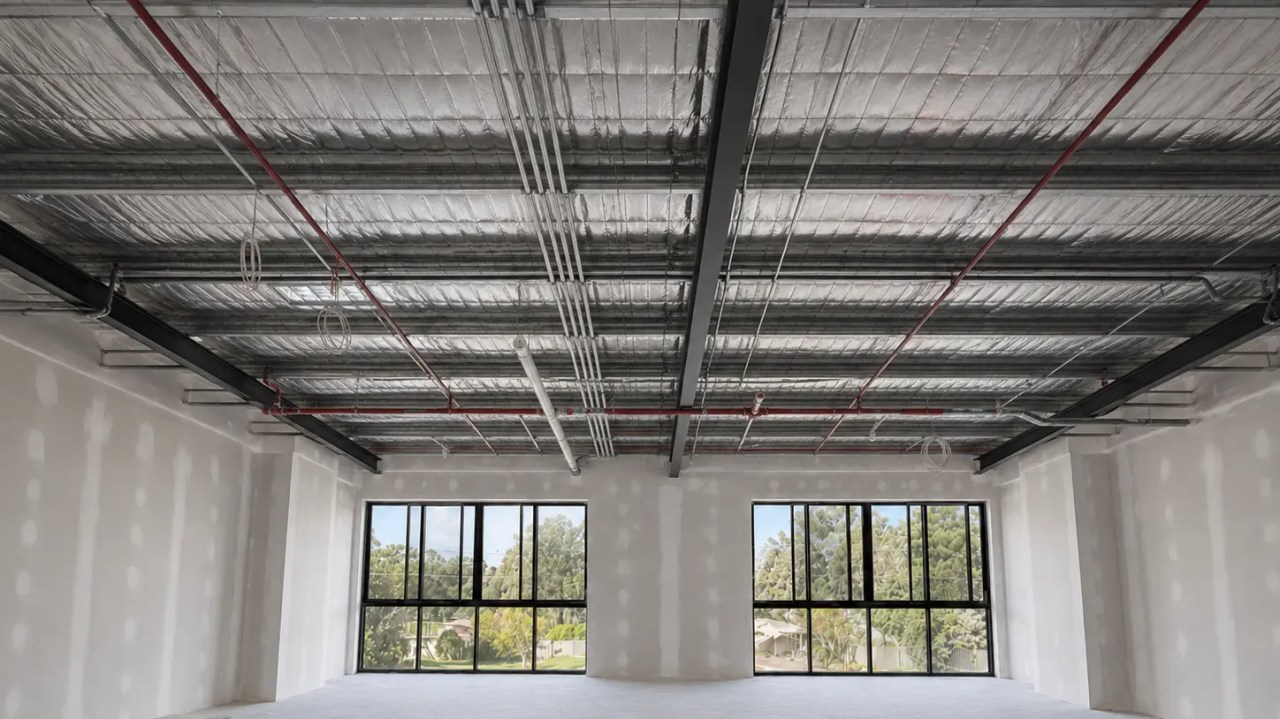
This page covers what to record, how the evidence is read, how the decision between repair, overlay and replacement is made, and what a repair scope should contain.
What to Record Before Any Conclusion
Record the material, the extent, the history and the condition of the surrounding ceiling, because the repair method follows from those four facts.
The material is the first item and it is not always obvious. Ceilings in Perth housing include plasterboard, solid or lime plaster, fibrous plaster panels and suspended grid systems, and some homes contain more than one. Tapping, inspecting a service hole or looking at the ceiling from the roof space usually settles it.
The extent and history come next: photographs with a scale, the date the damage was noticed, whether it has changed, and whether it has been repaired before. A defect that has been repaired twice and returned is a different problem from one that has just appeared, and the record is what distinguishes them.
The condition of the surrounding ceiling is the fourth item. Whether the lining is sound, whether the frame behind it is secure, and whether moisture has been present all affect what the repair can achieve. Where the surrounding lining has lost strength, a patch set into it will move with it, and the repair will not last.
Reading the Evidence
The evidence points to whether the problem is in the finish, the lining or the structure above, and each has a different repair.
| What you see | What it usually indicates | What it changes |
|---|---|---|
| Crack along a joint line | Joint movement; tape or fixing issue | Joint repair rather than a surface fill |
| Crack radiating from a corner | Movement concentrating at a stress point | Monitoring before repair; possibly frame work |
| Sag with no staining | Fixing or support failure | Roof space inspection first |
| Stain with a tide mark | Water entry | Source repair before any surface work |
| Patching that keeps reappearing | Cause never resolved | Diagnosis rather than another patch |
The distinction between a finishing defect and a structural one matters most. A crack that has remained the same width for a year is usually a joint that has moved and settled, and it can be repaired. A crack that continues to widen, or that appears with a sag or a sticking door, indicates movement that needs to be assessed before the surface is touched.
Material changes the method. Plasterboard is repaired by reinstating the sheet and the joint; solid plaster is cut back and rebuilt in layers to match the plane and the texture; fibrous plaster panels and cornice may be patched, spliced or recast. Matching the finish around a repair is often the largest part of the work, particularly where a ceiling is viewed in glancing light.
Ceiling Repairs: Repair, Overlay or Replace
Repair addresses a local defect, overlay provides a new surface over an existing one, and replacement removes and reinstates the ceiling; the choice depends on the condition of the lining rather than the size of the damage.
Repair is the right answer where the lining around the defect is sound and the cause is local. The test is whether the material adjacent to the damage has kept its strength: a patch in a ceiling that has lost strength will move with it and crack again.
Overlay is used where the surface cannot be brought back, where a new lining is wanted for performance reasons, or where the ceiling has been patched repeatedly. It requires extra depth and fixings that reach sound framing, and in some systems it contributes additional acoustic or fire performance as part of a documented assembly.
Replacement is required where the lining has lost strength over an area, where the damage is extensive, where the frame has moved or failed, or where the work above the ceiling requires it to be opened. Where a ceiling has already been repaired more than once with a poor result, replacement is often the better value over the following decade, because it ends the cycle rather than postponing it.
What the Scope of Works Should Contain
The scope should separate the diagnosis, the make-safe, the repair, the material and finishing stages, the cornice and insulation work, the coating and the waste.
The diagnosis comes first because everything else follows from it. A scope that states what the problem is and how it was established can be compared with another; a scope that only names a repair method cannot, because two quotes may be addressing different causes.
The inclusions and exclusions are the second item. A ceiling repair scope should state whether it includes making good the surrounding surface, replacing or repairing the cornice, reinstating insulation, coating the surface and removing waste from the property. Where coating is excluded, the scope should say what condition the surface is left in.
The variation process is the third. Where work is opened up and something unexpected is found, the client should know how it will be handled: photographed, described, priced separately and approved before the work continues. That process is what keeps a repair from becoming a dispute. The installation requirements behind the reinstatement sit in the National Construction Code, with the lining standards published through Standards Australia.
Insurance, Strata and Approval Paths
Insurance and strata work is procedural: evidence is recorded, the scope is staged, and the decision on coverage belongs to the insurer or the owners corporation.
The evidence set is consistent across most claims: the date the damage was noticed, photographs with a scale, the moisture history where relevant, the condition of the lining and framing once opened, and the findings in the roof space. For a strata property, the additional item is the position of the damage relative to the lot boundary and the common property.
The scope then separates the stages: make-safe, cause repair, removal, reinstatement, cornice, insulation and painting. Ambiguity at those boundaries is where disputes arise after the ceiling is closed, so each boundary is stated in writing. Where the work requires approval, the framework for building approvals in Western Australia is published by Building and Energy.
For older properties, one further item belongs in the record: whether the ceiling or its coating may contain asbestos-containing material. Where that is possible, the work stops until it has been assessed, under the guidance published by the Asbestos Safety and Eradication Agency and the state position from WorkSafe WA.
Sequencing Around Other Trades
The work runs from the cause outward and from the ceiling to the finishes: cause repair, ceiling, cornice, wall make-good, then decoration.
Ceiling repairs near the perimeter disturb the cornice, and wall repairs made before the ceiling leave a junction that has to be redone. The practical order is ceiling, cornice, wall, then finishing across all three surfaces as one operation, so that the join between them is not visible.
Services and access come before the closing work. Any cabling, lighting or ducting that has to change is completed and inspected before the ceiling is closed, because reopening a finished ceiling is a repair rather than an installation. Access equipment, containment and daily clean-down are part of the method, and the duties that apply to work at height and in occupied buildings are published by Safe Work Australia and by the state regulator.
Time is the last constraint and the one that cannot be compressed. Setting compounds need to dry between coats, water-affected ceilings need to dry before they are closed, and coating needs a prepared surface. Where a repair is planned around a sale, a tenancy or an event, the schedule should allow for those stages rather than assume they can be shortened.
What Changes After the Repair
What changes is the surface, the record and the conditions that determine whether the repair holds.
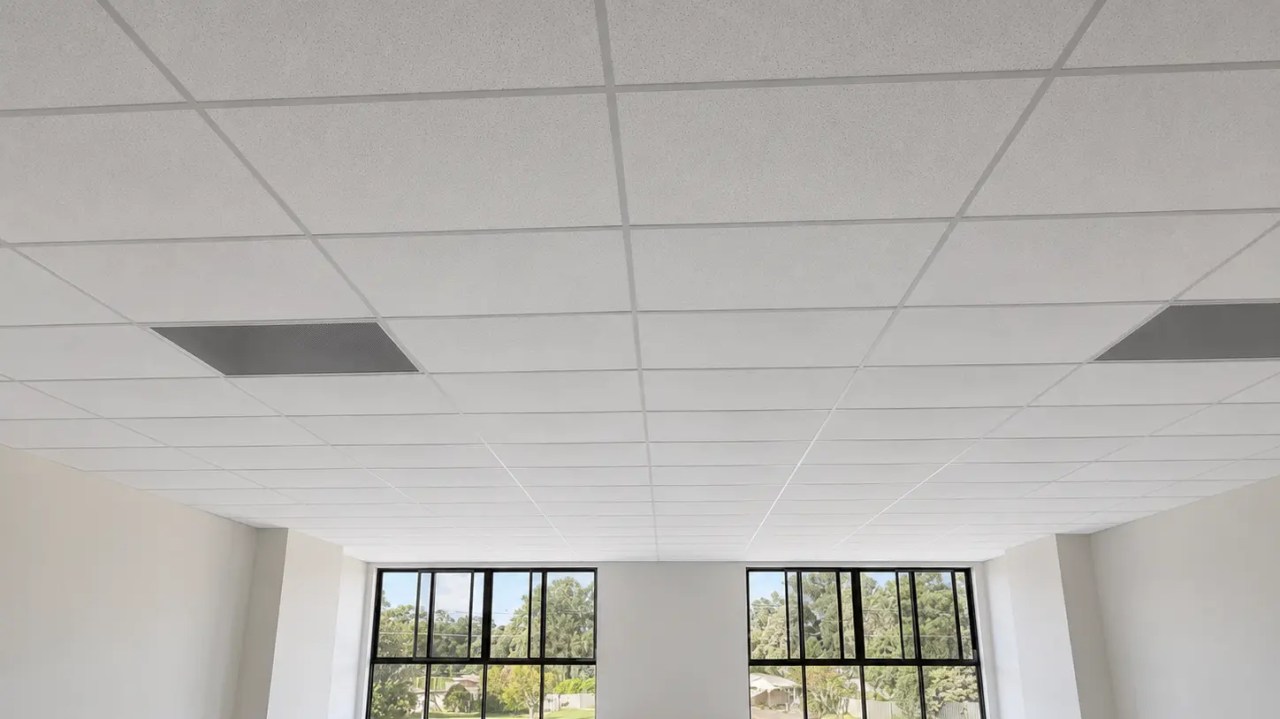
The surface changes most visibly. Matching a repair to the surrounding ceiling is its own problem, and where the room is viewed in glancing light the finish level and the texture have to match. Recoating the whole ceiling rather than the patch is often the difference between a repair that is invisible and one that is not.
The conditions change where the cause has been addressed: fixings repaired, water stopped, movement accommodated. Where a cause has not been resolved, the repair is a postponement rather than a fix, and the record should say so.
The record is the third change and the most useful one. Knowing what was found, what was repaired and what was left in place means a future problem can be judged against the original condition rather than in isolation. For related work, see the repairs and maintenance service page, with further guides under knowledge.
Frequently Asked Questions
How do you fix a damaged ceiling?
The method follows the material and the cause. Plasterboard is repaired by cutting back to sound lining, patching to the framing, taping and setting the joint; solid plaster is cut back and rebuilt in layers; cornice is re-bedded, spliced or replaced. In every case the cause is established before the surface is repaired.
Can a hole in a ceiling be repaired invisibly?
It can be repaired so that it is not visible in normal lighting, by cutting back to sound lining, patching to framing, taping and setting the joint and finishing to match. How invisible it is depends on the room’s lighting, the finish level of the surrounding ceiling and whether the whole ceiling is recoated rather than the patch alone.
How do you fix a broken or cracked ceiling?
First establish whether the crack is stable. A crack that moves is monitored before it is repaired, and a repair that fills a moving crack reopens. A stable crack is opened, taped or reinforced, rebuilt and refinished, with the joint detailed so that the movement which remains is accommodated rather than resisted.
What drives the cost of ceiling repairs?
CeilingPro does not publish prices or price ranges. The scope depends on the ceiling material, the area affected, the cause, access and height, whether cornice or insulation is involved, the finish level required and whether the work is documented for an insurer or owners corporation.
If a Perth ceiling needs repairing and you want the cause recorded before a method is chosen, send photographs with a scale and the room dimensions through the CeilingPro enquiry form and select repairs and maintenance, or email info@ceilingpro.com.au.

