
How Can Wet Insulation Collapse a Ceiling and What Should You Do?
Wet cellulose or glass wool insulation can become many times heavier after a burst pipe or roof leak, especially in a ceiling cavity. In Perth and across Western Australia, that extra load can make…

Wet cellulose or glass wool insulation can become many times heavier after a burst pipe or roof leak, especially in a ceiling cavity. In Perth and across Western Australia, that extra load can make plasterboard sag, crack, and fail fast. The safest response is to stop water, isolate power, relieve trapped pressure, remove soaked insulation, and dry the cavity before repairs begin.
waterlogged ceiling damage repair
What Makes Wet Insulation Dangerous?
Wet insulation is dangerous because it stops being light and fluffy and starts acting like a water-loaded blanket on the ceiling. Cellulose can absorb several times its own weight, and even glass wool can compress, lose thickness, and transfer load to the plasterboard. In a hot Perth roof space, trapped moisture also speeds up sagging and hidden damage.
How Does a Ceiling Fail?
A ceiling usually fails when plasterboard, fixings, and the framing can no longer carry the combined weight of water and soaked insulation. The first signs are often a crack, a shallow sag, or nail pops before a sudden drop. In Western Australia homes, we also see failure around old fixings, wet joins, and areas where insulation has bridged across services.
Failure load snapshot
Which Signs Mean You Must Act Now?
Treat a bulge, fresh cracking, or a ceiling line that looks uneven as an urgent warning. If the plasterboard is drooping, the cornice is separating, or you hear cracking from above, leave the room beneath it. In Perth, CeilingPro crews treat those signs as a no-delay callout because a wet ceiling can drop without much more warning.
What Should You Do First After a Burst Pipe?
Shut off the main water supply immediately, then cut power to the affected area if water is near lights, switches, or wiring. Next, contain the leak with buckets and towels, and relieve trapped water only if the ceiling is visibly bulging and it is safe to do so. After that, call a licensed plumber and a ceiling repair specialist in Perth.
Why Must Wet Insulation Be Removed?
Soaked insulation should usually be removed because it loses loft, traps moisture against timber, and can contaminate the roof space. In our Perth jobs, leaving wet material in place often leads to hidden mould, stained Gyprock, and recurring ceiling movement after the “dry” repair. CeilingPro typically removes the wet batch first, then checks framing moisture before reinstating anything.
How Is Wet Load Calculated?
A quick field estimate is more useful than a perfect lab number when a ceiling is at risk. If R4 batts or loose-fill insulation cover 1 square metre at about 2 kg dry and rise to around 15 kg when saturated, that is a 13 kg added load per square metre. Spread across a 20 m² area, that is roughly 260 kg of extra weight pressing on a ceiling assembly that was never meant to carry it.
How Do Repairs Usually Proceed?
First, the cavity is opened so the source, insulation, and plasterboard can be inspected together. Then wet insulation is removed, damaged Gyprock is cut back to sound edges, and the cavity is dried with airflow and dehumidification. In Western Australia, final repair should match local ceiling fixings, plasterboard thickness, and moisture conditions before repainting.
What Should a Perth Repair Include?
A proper Perth repair should include source control, moisture testing, safe removal of damaged lining, and replacement materials suited to local heat and seasonal humidity swings. Hot roof spaces can trap enough heat to warp weak joins, so rushed patching fails fast. CeilingPro usually finishes with re-fixing, stopping, flushing, and a final check for residual movement.
Can You Prevent Ceiling Collapse?
Yes, by treating every ceiling leak as a structural warning, not just a stain. Keep roof drainage clear, fix plumbing drips early, and inspect roof space insulation after storms or burst pipes. In Western Australia, the best prevention is fast response, because wet insulation becomes dangerous long before a room looks badly damaged.
Who Should Handle the Job?
A plumber should stop the leak, and a qualified ceiling repair team should handle the lining and insulation reinstatement. If there is sagging, repeated leaks, or electrical involvement, do not rely on a cosmetic patch. CeilingPro handles the full sequence in Perth, which matters because missed moisture in the cavity is what usually causes the second failure.
When Is Replacement Better Than Drying?
Replacement is better when cellulose is saturated, plasterboard has softened, or the insulation has been contaminated by dirty water. If the material has compacted, smells musty, or has been wet long enough to stain timber, drying alone is not enough. In Perth homes, replacement often costs less than fixing mould, repainting, and redoing a failed patch twice.
CeilingPro Expert Views
“The mistake we see most often in Perth is people judging a ceiling by the paint surface instead of the cavity above it. Once wet insulation has loaded the lining, the damage is already structural, not cosmetic. Our rule is simple: stop the water, open the ceiling, remove the soaked mass, and only then rebuild. That sequence saves ceilings, wiring, and a lot of avoidable expense.”
FAQ
Can wet insulation dry in place?
Sometimes a small damp patch can dry, but soaked cellulose and compressed batts usually need removal. If the material has lost shape or the ceiling is sagging, drying in place is too risky.
Does glass wool collapse a ceiling too?
Yes. Glass wool is lighter than cellulose, but once it holds water it compresses, loses thickness, and adds load to plasterboard and fixings.
Is ceiling collapse common after a burst pipe?
It is uncommon when action is fast, but the risk rises sharply if water keeps pooling above the lining. The danger is highest when the ceiling starts to bow.
Can I patch the ceiling before drying?
No. Patching early traps moisture inside the cavity and can lock in mould, stains, and hidden decay.
Should I call an insurer before repairs?
Yes, but do the emergency safety steps first. Take photos after the area is safe, then document the damage before permanent repairs begin.
Conclusion
Wet insulation in a ceiling cavity is not just a cleanup problem; it is a load problem. In Perth and across Western Australia, the safest approach is immediate shutoff, safe drainage, full removal of soaked insulation, drying, and proper ceiling reinstatement. CeilingPro’s practical rule is simple: if the ceiling is wet, treat it like a structural warning until proven otherwise.
Related articles
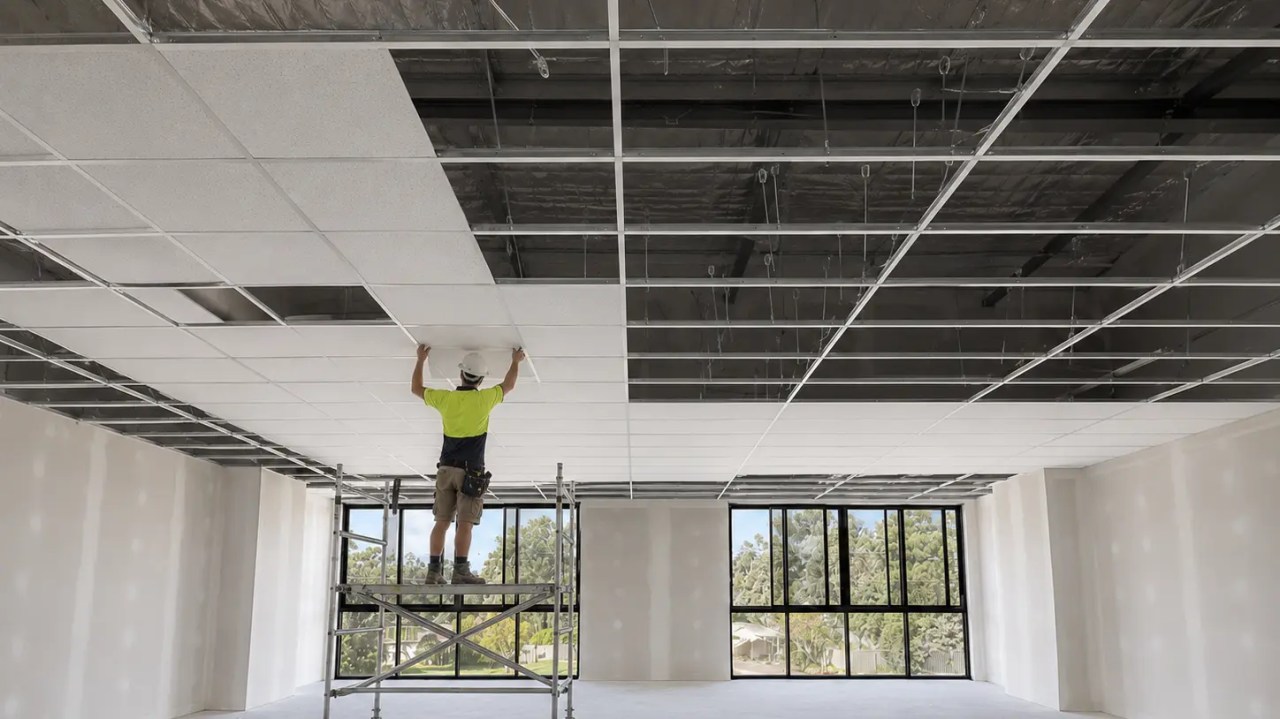 Suspended Ceilings: How the Grid, the Tile and the Services Negotiate SpaceKnowledge
 Art Deco Ceiling Rose: Recognition, Matching and ReplacementKnowledgeGyprock Installation in Perth: Board, Fixing and Finish DecisionsKnowledge
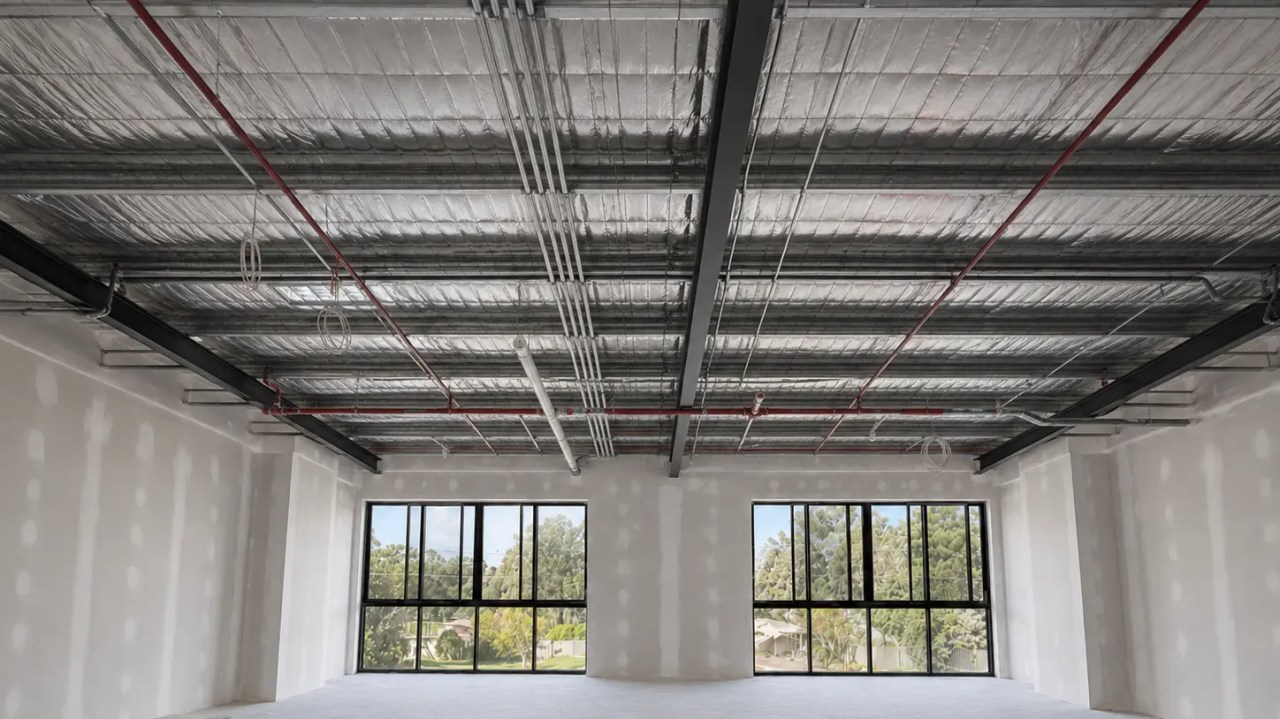 Ceiling Replacement in Perth: Scope, Sequence and What Changes Mid-JobKnowledge