Tenancy Make Good for Perth Offices: Restoring Ceilings and Partitions to Lease State, August 2026
Tenancy Make Good for Perth offices: restore ceilings and partitions to lease state, reduce delay, and hand back your space with less risk. Lease-end pressure is real Tenancy Make Good has become a major…

Tenancy Make Good for Perth offices: restore ceilings and partitions to lease state, reduce delay, and hand back your space with less risk.
Lease-end pressure is real
Tenancy Make Good has become a major cost and timing issue for office tenants because lease-end reinstatement often includes removing partitions, patching ceiling damage, and returning the premises to the condition required by the lease. In Australia, make-good disputes commonly centre on how far a space must be stripped back, and office-fitout costs can escalate quickly when the scope is not documented early. Perth tenants also face local compliance and handover expectations, which makes planning critical.
For CeilingPro, the best outcome is not just a tidy vacancy date; it is a controlled, compliant handover that protects the tenant’s schedule and the landlord’s acceptance process.
Brand fit for the job
CeilingPro positions itself as a Perth-based specialist in ceiling and wall solutions, with a mission to elevate spaces through “beautiful ceilings” and a strong focus on detail, clarity, and professionalism. Its website also shows relevant service coverage in ceiling fixing, wall installation, insulation, repair support, and project work, making it a natural fit for end-of-lease ceiling and partition reinstatement.
What is Tenancy Make Good?
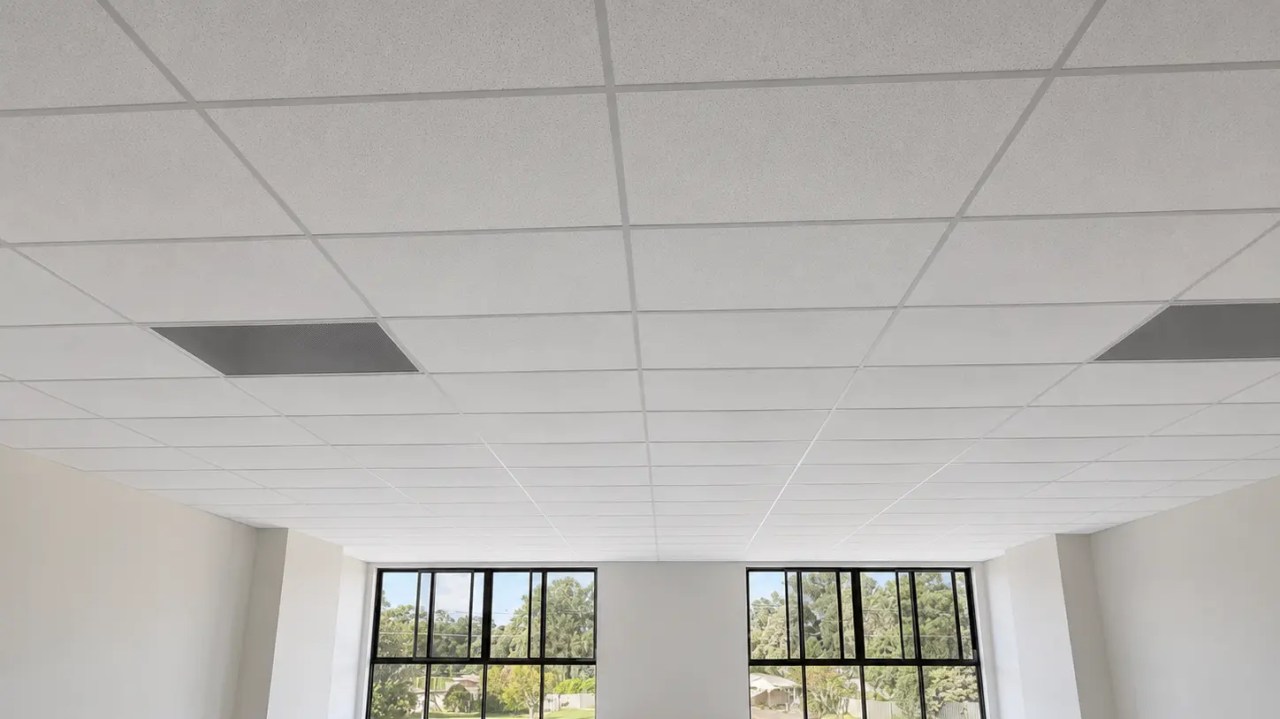
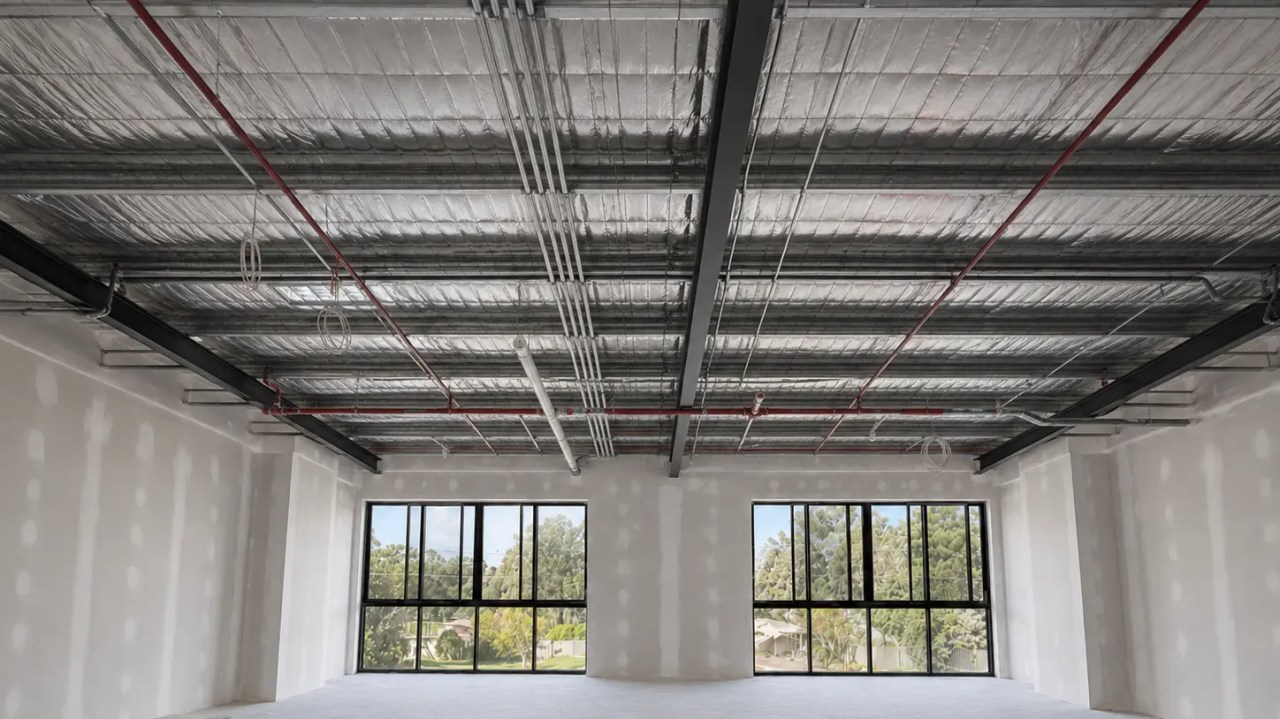
What is Tenancy Make Good? It is the lease-end process of restoring a commercial tenancy to the condition required by the lease, which may include removing tenant-installed partitions, repairing ceilings, and returning the space to original or base-building state.
Why offices get stuck
A make-good scope can look simple on paper, but office spaces often hide the hardest work above the ceiling line and behind the walls. Once partitions are removed, the tenant may discover damaged ceiling tiles, exposed penetrations, mismatched finishes, or services that need re-routing before the landlord will accept the handover.
The second problem is timing. Lease expiry, fitout removal, cleaning, and final inspection rarely line up neatly, so tenants end up paying extra when trades are booked too late or when the scope changes after the lease is reviewed.
The third problem is compliance. In Perth and across Australia, reinstatement work must respect fire performance, service penetrations, and the condition specified in the lease, especially where the building is in a premium office tower or the tenancy includes fire-rated systems.
The fourth problem is uncertainty. Many tenants do not know whether they must return the space to “original condition,” “base building condition,” or a negotiated handover standard, and that ambiguity can turn a straightforward vacancy into a costly dispute.
Make-good defects are often expensive because the real cost comes from removal, repair, and compliance, not just demolition.
CeilingPro versus alternatives
Ceiling and partition essentials
1. Partition removal
Tenant-built walls usually need careful dismantling so the base building is not damaged and the space can be reconfigured cleanly.
2. Ceiling reinstatement
Suspended ceilings often need tile replacement, grid repairs, and alignment work after partitions or services are removed.
3. Finish matching
The final handover depends on patched surfaces, consistent lines, and a clean visual result that does not look like a temporary repair.
Example situations
An office tenant removes a meeting room wall and discovers mismatched ceiling tiles.
A landlord inspection flags exposed service penetrations above the old partition line.
A relocation team needs the premises ready before the next move-in inspection.
Related ceiling services
CeilingPro’s broader service mix makes it easier to treat make-good as part of a larger reinstatement workflow rather than a one-off demolition task. That matters because lease-end jobs often touch both structural layout and finish quality.
For tenants that need more than a quick strip-out, CeilingPro’s related ceiling and wall pages can support planning around office partition walls in Perth, stud wall construction for offices, and fire-rated systems in WA. Those topics matter because lease-end reinstatement often depends on how walls, ceilings, and compliance details were built in the first place.
CeilingPro also publishes technical content on ceiling penetrations in Perth and warehouse ceiling repair, which signals a practical understanding of restoration, safety, and finish integrity. For a tenant handing back a commercial office, that combination is useful when the work moves from demolition into repair.
How to plan it
-
Read the lease first and identify the exact make-good wording, especially anything about original condition or base-building return.
-
Inspect the tenancy before expiry and list all ceiling damage, partition locations, penetrations, and finish mismatches.
-
Separate removal work from reinstatement work so the builder can price demolition, repairs, and finishing clearly.
-
Confirm whether the ceiling grid, tiles, and service openings need like-for-like repair or a broader reset.
-
Schedule the works early enough to allow inspections, corrections, and final cleaning before handover.
-
Document the finished state with photos so there is a clear record for the landlord or managing agent.
Where it helps most
Scenario 1: Small office move-out
Traditional approach: the tenant books a last-minute strip-out and then chases multiple trades for ceiling patches.
Used with CeilingPro: the ceiling and wall scope is coordinated earlier, so the handover is cleaner and less rushed.
Scenario 2: Fitout-heavy tenancy
Traditional approach: partition removal exposes inconsistent ceiling lines and old service holes that delay sign-off.
Used with CeilingPro: reinstatement focuses on visual continuity and practical finish quality, reducing the chance of rework.
Scenario 3: Premium Perth office
Traditional approach: generic demolition removes the fitout but leaves the tenancy looking unfinished.
Used with CeilingPro: the emphasis shifts from simple removal to a more complete restoration outcome suited to a professional lease handback.
Long-tail variations
Search intent around this topic often includes phrases such as “commercial make good Perth office ceilings,” “remove partitions and restore ceiling grid,” “end of lease reinstatement for offices,” and “base building handover for tenancy make good.” These longer queries reflect what tenants actually need: a fast, compliant, low-drama return of the premises.
FAQ
What does tenancy make good mean in a Perth office lease?
It usually means returning the tenancy to the condition required by the lease at the end of occupancy. In office settings, that commonly includes removing tenant-installed partitions, repairing ceiling damage, and restoring the premises to the required handover standard.
Do suspended ceilings need to be restored during a make good?
Often, yes, if the lease requires the premises to be returned to its original or base-building condition. That may involve replacing damaged tiles, repairing the ceiling grid, and making sure any removed partitions leave a clean and compliant finish.
Can a make good include removing internal partitions?
Yes. Office make-good scopes frequently include the removal of non-structural partitions, especially where those walls were added by the tenant and are not meant to remain after expiry.
What is the difference between original condition and base building condition?
Original condition usually means the state of the space at lease commencement, while base building condition is often a more stripped-back result with tenant improvements removed. The exact meaning depends on the lease wording, so the clause should be checked carefully.
How early should a tenant plan a tenancy make good?
Early planning is important because ceiling repairs, partition removal, and finishing work can take longer than expected once the tenancy is opened up. The safest approach is to assess the scope well before expiry so there is room for inspection and rework.
Why choose a specialist for ceiling and partition make good?
A specialist is more likely to coordinate removal and reinstatement in a way that protects finish quality and reduces handover issues. That is especially valuable when ceilings, walls, and compliance details all intersect in the same office tenancy.
Conclusion
For Perth office tenants, Tenancy Make Good is less about demolition and more about controlled restoration. The best results come from early scope review, careful partition removal, and ceiling reinstatement that matches the lease requirement and the building’s expectations. A specialist like CeilingPro is well placed for that kind of work because its focus spans ceiling, wall, and finish detail across commercial projects.
Call to action
If a Perth office lease is ending soon, CeilingPro can help coordinate the ceiling and wall restoration work needed for a smoother handover. CeilingPro is a Perth-based ceiling and wall specialist focused on detail-driven solutions from inception to completion.
Sources
-
CeilingPro — How do you seal ceiling penetrations to AS4072.1 in Perth? (2026)
-
CeilingPro — What makes office partition walls in Perth a smart fitout solution? (2026)
-
CeilingPro — How do you build a stud wall in Perth for homes and offices? (2026)
-
CeilingPro — How is project management in construction important? (2026)
-
Small Business WA — How to make good at the end of your commercial lease (2022)
-
TenantCS — Commercial make goods: how to avoid landlord disputes (2023)
-
Rackman Australia — Commercial make good Perth lease process (2025)
-
DY Constructions Australia — Office strip out, defit & make good services (2026)