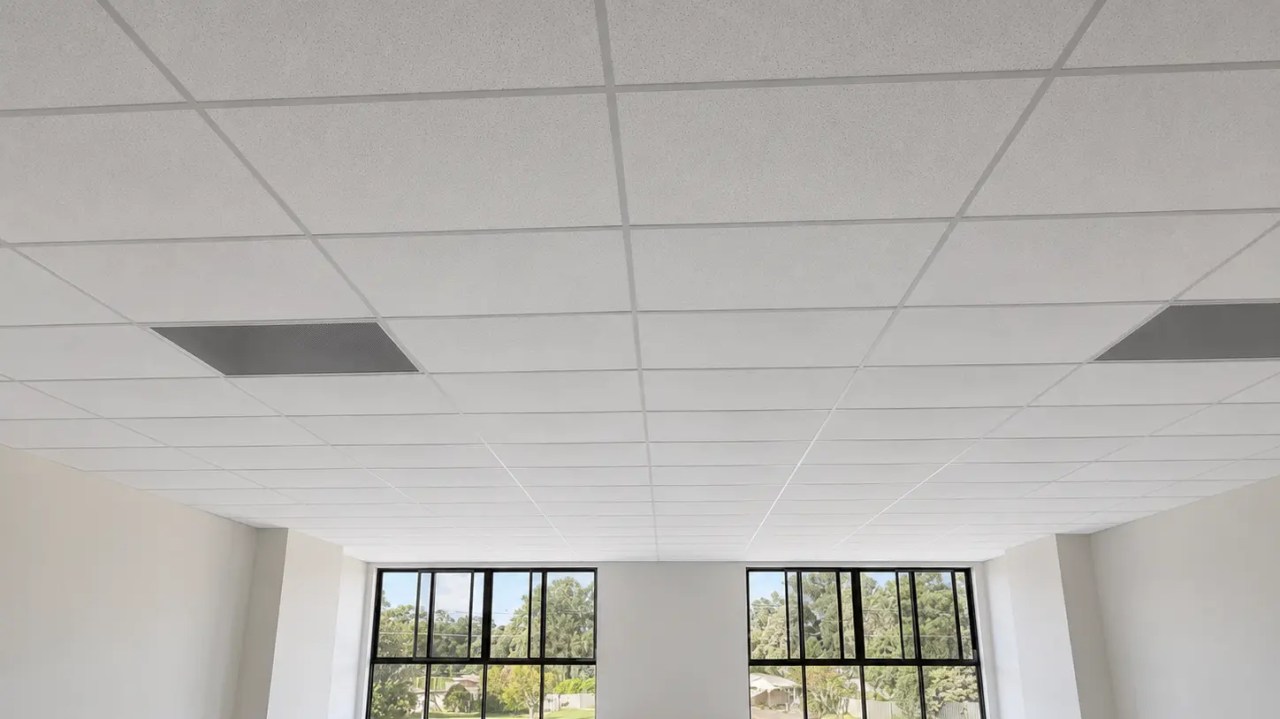
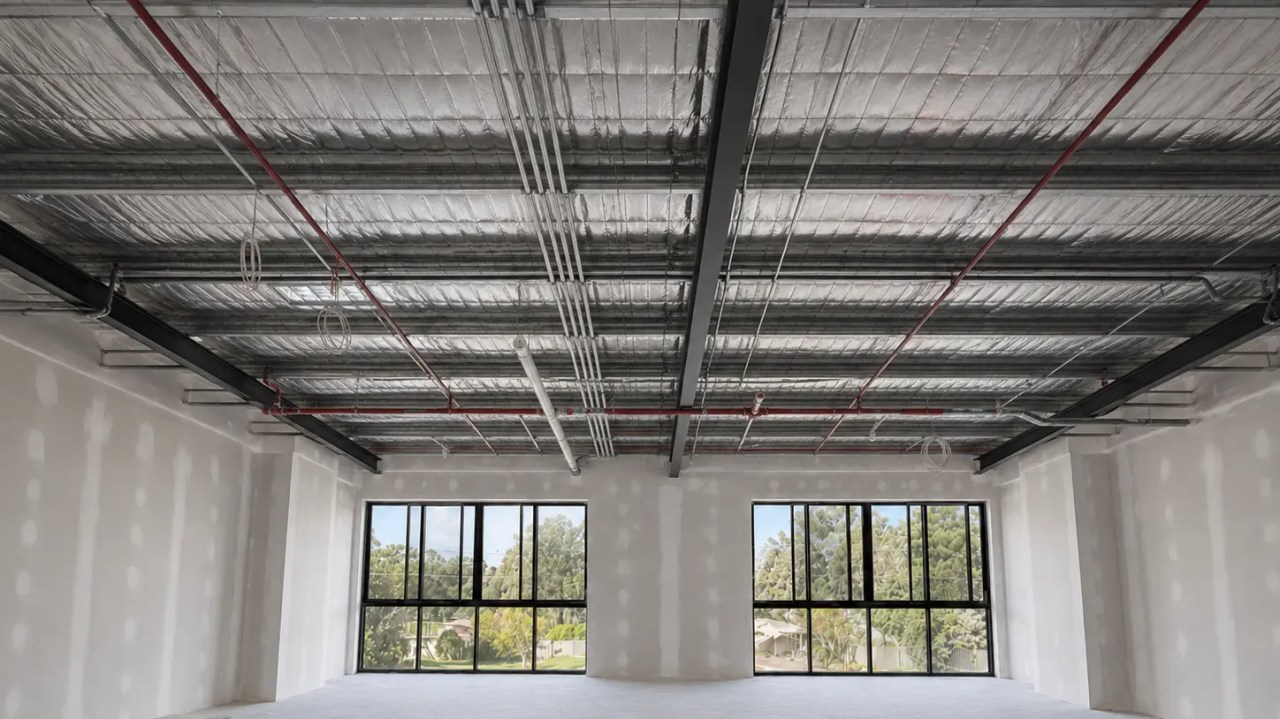
Can Ceiling Insulation Removal Improve Your Roof Space?
If your roof cavity holds old blow-in, dust, or pest waste, removal is often the right first move before any new insulation goes in. In Perth, Western Australia, a clean roof space helps restore…

If your roof cavity holds old blow-in, dust, or pest waste, removal is often the right first move before any new insulation goes in. In Perth, Western Australia, a clean roof space helps restore thermal performance, reduce contamination risk, and create a safer base for Gyprock ceilings, new batts, or modern retrofit work.
Professional Insulation Removal
What H2s Do Competitors Use?
Across the main Perth market pages, the repeated H2 themes are: why remove old insulation, how the removal process works, what contamination risks exist, how much it costs, what equipment is used, and when replacement should follow. The most common headings are usually built around removal, vacuuming, cleaning, and re-insulation, which means the opportunity is to answer those same concerns with more technical detail and better local relevance for Western Australia.
Why Should Old Insulation Be Removed?
Old ceiling insulation is removed when it has stopped insulating properly, trapped contaminants, or become a maintenance risk. In Perth, the biggest triggers are heat-stressed material, rodent activity, moisture damage, and loose-fill or cellulose that has broken down into fine dust.
How Do You Know It Is Time?
The clearest signs are uneven room temperatures, persistent dust falling from ceiling fixtures, musty odours, and visible pest debris in the roof space. If a ceiling cavity contains insulation older than 20 years, we usually inspect before adding anything new, because old layers can hide thermal bridges, nests, and degraded material that reduce the value of the retrofit.
What Happens During Vacuum Removal?
Professional removal uses industrial negative-pressure vacuum equipment to extract loose-fill, blown-in cellulose, debris, and contaminated dust from the roof cavity. On a typical Perth job, we isolate access points, run large-diameter hoses to the cavity, and draw waste into sealed collection units so the mess does not migrate through the home.
What does that process look like in practice?
We start by checking access, roof condition, and contamination level. Then we remove the old insulation in controlled passes, working from the furthest sections back to the entry point so the cavity is cleared evenly and the remaining dust load stays predictable.
Why negative pressure matters
Negative pressure keeps fibres, spores, and fine particles moving toward the vacuum path instead of back into the living areas. In our production runs, this is the difference between a clean extraction and a half-clean job that leaves contaminants hidden in corners, around trusses, and above bulkheads.
What H2s Do Competitors Miss?
Most competing pages stop at “remove old insulation and install new batts.” The missing questions are: how much contamination is acceptable, what happens after rodent activity, which vacuum capacity is actually needed, and why the roof cavity must sometimes be emptied before any upgrade.
Which Materials Need Special Handling?
Blown cellulose, dusty paper-based fill, vermin-contaminated batts, and heat-brittle fibreglass all need different handling. Cellulose behaves like a lightweight slurry of fibres and dust once disturbed, while old batts tend to bridge across trusses and shed particles that cling to timber, wiring, and plaster joints.
How Is Pest Waste Dealt With Safely?
Rodent droppings and nesting waste are treated as a contamination job, not a normal insulation job. The practical rule is simple: remove the waste, vacuum the surrounding dust, and inspect the cavity before replacement, because rodents often leave urine trails in insulation folds and around cable runs.
How Toxic Is Old Cellulose Insulation?
Old paper-based insulation can carry dust, mould spores, pest contamination, and trace process chemicals, especially when it has aged, been heated repeatedly, or been exposed to moisture. The real danger is not one single ingredient; it is the cumulative exposure from disturbed dust, degraded fibres, and the material breaking apart during handling.
Toxic exposure warning
If your ceiling insulation is more than 20 years old, treat it as a dust exposure problem first and a thermal product second. In older Perth homes, we often find fine particulate buildup around exhaust fans, manholes, and downlight cutouts, which means the cavity has been recirculating contaminants for years.
What should you look for?
Look for blackened dust, compressed grey fill, visible mould spotting, and any sign of nesting. If the roof space smells stale or earthy after opening the hatch, we treat it as a higher-risk cleanout and use tighter containment and PPE.
Why Must You Clear It Before Rebuilding?
“先破后立” matters because a new insulation layer placed over contaminated waste locks in the problem instead of solving it. If the old fill stays in place, the new material can inherit the same dust load, poor air pockets, and pest residue, which reduces performance and shortens the service life of the upgrade.
What Vacuum Specs Matter Most?
A proper extraction setup needs strong airflow, stable suction under load, and hose diameter large enough to move fluffy debris without constant blockages. For Perth roof spaces, the difference between a modest utility vacuum and an industrial vacuum truck is huge, especially where long hose runs, pitched roofs, or deep loose-fill are involved.
What do we prioritize on site?
We prioritise sustained suction, controlled discharge, and hose handling that reaches into tight roof geometry without crushing the cavity. If the system cannot keep moving dusty material without frequent choke points, the job slows down and the roof space stays dirty longer than it should.
Are There Local Perth Factors?
Yes, Perth’s hot summers make old insulation failures much more obvious, because overheated roof spaces punish weak thermal barriers. In Western Australia, we also account for roof types, older build stock, and access conditions that are common in suburban retrofits, from tiled homes to metal-sheet roofs.
How Does Climate Change the Job?
Heat cycles dry out old insulation, make fibres brittle, and accelerate settlement. On extreme summer days, a roof cavity can become punishingly hot, so we schedule heavy extraction work early, ventilate aggressively, and reduce manual time inside the space wherever possible.
How Long Does Removal Take?
A standard home can often be cleared in half a day to a full day, depending on roof size, contamination, and access. In Perth, difficult access, extra debris, or pest waste can push that longer, because the job is not just extraction; it is containment, clean-down, and safe disposal.
How Much Does It Usually Cost?
Pricing depends on square metreage, access difficulty, contamination level, and whether replacement follows immediately. For a typical Perth home, removal and cavity cleanout often land in a broad mid-range, but heavy contamination, difficult roof access, or extra sanitising work can move the job upward.
What Is the Best Sequence?
The best sequence is inspect, isolate, remove, vacuum clean, verify, and then reinstall. That order gives the new insulation a clean platform and avoids the common failure where fresh batts are laid over old dust, compressed residue, or pest waste.
Recommended workflow
-
Inspect the cavity for risk signs, including moisture and vermin.
-
Remove loose-fill or old batts with industrial extraction.
-
Vacuum the roof space thoroughly, including corners and around services.
-
Check for wiring damage, mould, and leak paths.
-
Install the new insulation only after the cavity is genuinely clean.
How Does CeilingPro Approach It?
CeilingPro treats roof cavity clearing as a preparation stage, not a cosmetic service. On Perth jobs, that means we focus on dust load, hidden contamination, and the actual geometry of the cavity before deciding whether the next step is re-insulation, minor ceiling maintenance, or a deeper repair plan.
CeilingPro Expert Views
“In the field, the biggest mistake is trying to save a bad cavity. If the old fill is dusty, pest-hit, or moisture-damaged, leaving it in place only buries the problem. We’d rather clear it properly, verify the structure, and rebuild from a clean baseline. That approach costs less in callbacks, performs better in Perth heat, and gives the next insulation layer a real chance to do its job.”
— CeilingPro field team
Are New Batts Better After Cleanup?
Yes, new batts perform better when the cavity is clean, dry, and level. Without old debris underneath, the insulation sits flatter, fills the design depth more evenly, and is less likely to develop cold spots around trusses or compressed sections.
Can This Improve Safety Too?
It can. Removing contaminated insulation reduces exposure to dust, pest waste, and degraded fibres, while also making it easier to inspect wiring, downlights, and roof leaks. That is especially useful in older Western Australia homes where multiple layers of patchwork repairs may already exist above the ceiling line.
Who Should Do The Work?
This is best handled by experienced insulation and ceiling specialists with industrial vacuum gear, roof access know-how, and a proper disposal process. For Perth homeowners, that means choosing a team that can clear the cavity, manage contamination, and prepare the space for the next stage without leaving the roof dirty.
When Should You Replace Instead of Patch?
Replace instead of patch when the insulation is older than 20 years, heavily contaminated, collapsed, or repeatedly wet. If the roof space has both dust and pest waste, a patch job usually just delays the real fix, because the hidden residue keeps affecting air quality and thermal performance.
What Should You Expect After Removal?
You should expect a visibly cleaner roof cavity, less dust migration, better visibility of ceiling services, and a stable base for new insulation or maintenance. In a good Perth job, the space is left ready for the next trade, not just “less bad” than before.
FAQs
Is insulation removal messy?
Not when it is done with industrial vacuum extraction and proper containment. The point of the process is to pull dust and loose fill out of the cavity without spreading it through the house.
Do I need to remove old insulation before adding new?
Usually yes, if the old layer is contaminated, compressed, or badly aged. A clean cavity gives the new insulation a better start and prevents hidden dust from reducing performance.
Can rodent droppings stay in the roof space?
No, they should be removed along with surrounding waste and dust. Pest contamination can carry odour, bacteria, and allergens, so it should be treated as a cleanout job.
Is Perth heat a reason to upgrade insulation?
Yes. Perth summers expose weak insulation quickly, especially in older homes with thin or settled ceiling materials. A clean removal and replacement can make the whole roof space work more effectively.
Why choose CeilingPro for this work?
CeilingPro combines ceiling expertise, insulation knowledge, and practical site control. That matters when the job involves dust, pest waste, and the need to rebuild the roof space properly.
Final Takeaway
If your roof space is full of old cellulose, dusty batts, or rodent waste, removing it first is the smart order of work. In Perth, Western Australia, that clean-out step protects the household, improves the result of the new insulation, and avoids locking problems into the ceiling for another decade. CeilingPro recommends clearing the cavity properly, then rebuilding on a clean, stable base.