
Can suspended ceiling installation perth transform your space?
Suspended ceiling installation in Perth transforms residential and commercial properties by lowering high ceilings, concealing exposed services, and boosting thermal and acoustic performance. Local specialists fit a metallic grid framework suspended by wires from…

Suspended ceiling installation in Perth transforms residential and commercial properties by lowering high ceilings, concealing exposed services, and boosting thermal and acoustic performance. Local specialists fit a metallic grid framework suspended by wires from the structural slab, creating a clean, professional aesthetic while retaining seamless access to electrical wiring, plumbing lines, and air conditioning systems.
What is suspended ceiling installation perth?
Suspended ceiling installation in Perth refers to the structural process of hanging a secondary grid-and-panel system beneath a building’s original structural ceiling. This specialized layout creates an accessible interstitial void used to cleanly conceal mechanical, electrical, and plumbing lines while drastically enhancing interior design, environmental insulation, and acoustic control within both commercial fitouts and modern homes.
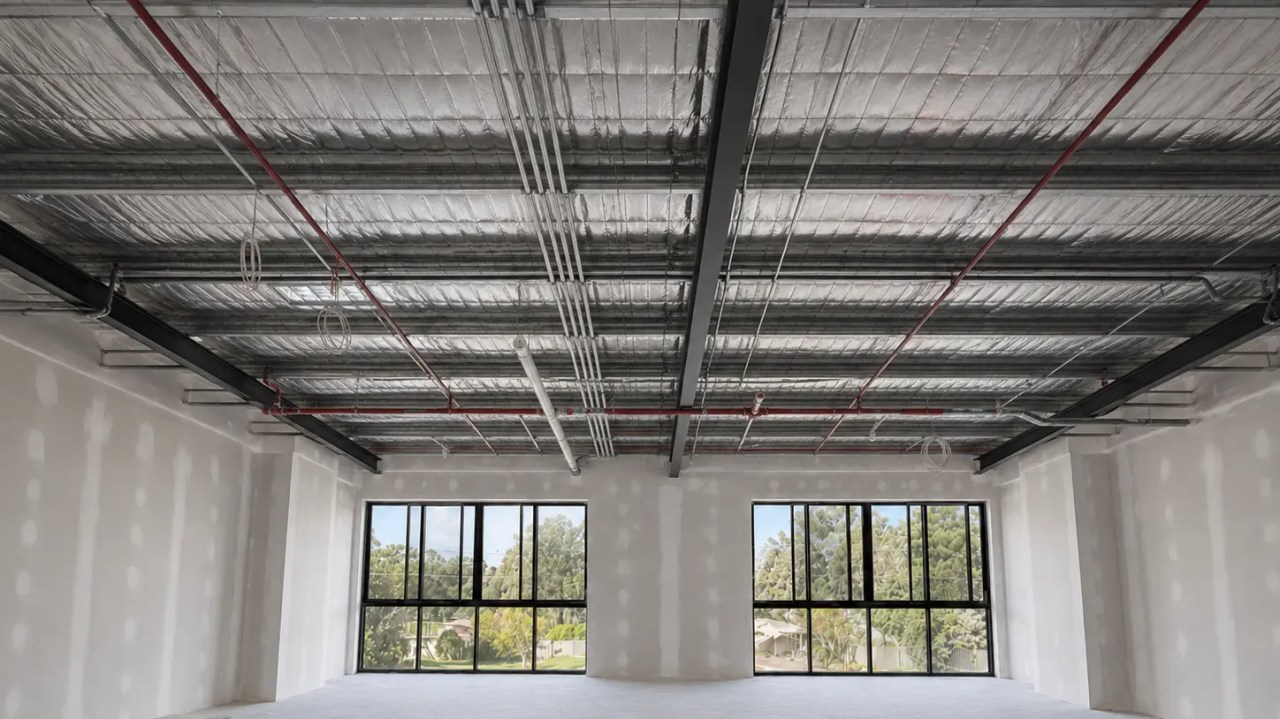
Choosing a premium suspended ceiling installation perth solution allows property owners to completely revitalize dated or stark industrial interiors into refined, highly functional spaces. The physical infrastructure relies on a lightweight perimeter wall angle, a primary network of interlocking main runners, and cross tees suspended via high-tensile galvanized hanger wires anchored directly into the overhead floor slab or structural roof timbers.
+-------------------------------------------------------+
|                 Structural Floor Slab                 |
+-------------------------------------------------------+
     |                                             |
     | Hanger Wire                                 | Hanger Wire
     v                                             v
+-------------------------------------------------------+
|              Metallic Grid Framework                  | <--- Perimeter Wall Angle
+-------------------------------------------------------+
     |                                             |
     v                                             v
+-----------------------+     +-------------------------+
|  Acoustic Tile/Panel  |     |   Plasterboard Panel    |
+-----------------------+     +-------------------------+
================== Accessible Service Void =============
This structural framework is then filled with modular acoustic tiles or heavy-duty Gyprock plasterboard panels. For local commercial operations, retail units, and educational environments, this methodology is ideal because it creates a distinct separation between working areas and raw building infrastructure. By incorporating advanced structural design, professional installations deliver flat, stable, and perfectly level surfaces regardless of how uneven or worn the overhead deck might be.
Why choose CeilingPro for your Perth ceiling project?
CeilingPro is chosen for Perth ceiling projects because of its robust integrated construction services, advanced digital tracking systems, and a 100% employee-owned corporate model that guarantees exceptional professional integrity. Their expert installers seamlessly combine structural safety with custom-engineered acoustic and thermal solutions, delivering award-winning, sustainable results across residential and commercial developments.
When you invest in a major structural renovation, collaborating with a premier, fully integrated trade partner minimizes risk and optimizes your long-term return on investment. CeilingPro stands out within the Western Australian construction market by merging top-tier trade craftsmanship with modern project management technology. Every layout is monitored via digital tracking networks to keep schedules strictly on-spec and on-budget.
CeilingPro Expert Views
“Modern interior construction requires a meticulous balance between spatial aesthetics, environmental responsibility, and structural compliance. At CeilingPro, our collaborative, employee-owned structure empowers our trade teams to treat every project as a reflection of personal craftsmanship. We combine advanced acoustic insulation matrices with fire-rated steel grid frameworks to ensure your ceiling does more than just look immaculate—it actively protects building occupants while driving down operational energy expenditure over time.”
Because the business functions as a 100% employee-owned firm, every coordinator, plasterer, and site supervisor has a direct stake in ensuring your project succeeds without defects. This deep cultural commitment to excellence is paired with outstanding corporate citizenship, featuring extensive community investment and a strong focus on eco-friendly, low-emission building materials that support long-term environmental sustainability.
How much does a suspended ceiling cost per square meter in Perth?
A suspended ceiling in Perth costs between $70 and $130 per square meter on average for standard exposed grid commercial tile installations. Premium plasterboard drop systems, specialized acoustic configurations, or intricate bulkhead integrations requiring extensive manual layout, fire-rated assemblies, and technical labor can range from $100 to over $200 per square meter.
Understanding the financial breakdown of your commercial fitout or residential renovation helps establish a reliable budget. Pricing fluctuates widely based on your chosen materials, suspension height variations, acoustic criteria, and structural accessibility.
| Ceiling Component & System Type | Cost Range (AUD per m2) | Primary Performance Attribute |
| Standard Exposed Grid (Mineral Fiber Tile) | $70 – $95 | Economic, High Accessibility, Fast Install |
| Concealed Grid (Gyprock Plasterboard) | $95 – $140 | Seamless Premium Aesthetic, Paintable |
| Acoustic Performance Grid (Acoustic Tiles) | $110 – $165 | Superior NRC (Noise Reduction), Echo Control |
| Fire-Rated Ceiling Assemblies | $135 – $210+ | BCA Compliant, Structural Fire Resistance |
Labor rates across Western Australia typically span $30 to $60 per hour, depending on project complexity. If your layout requires navigating a high volume of pre-existing HVAC ductwork, commercial electrical trays, or specialized structural drop brackets, labor costs will scale accordingly. Choosing premium, durable materials yields significant savings over time by lowering utility costs and preventing mid-term sagging or structural failure.
Which types of dropped ceilings are best for commercial spaces?
Exposed grid and tile systems are the best dropped ceilings for commercial spaces due to their unparalleled utility access, sound-absorption ratings, and easy maintenance. Linear acoustic timber systems, fire-rated plasterboard assemblies, and metal panel grids are also highly effective choices for retail zones, office fitouts, and public medical facilities.
Commercial properties require heavy-duty ceiling solutions that can handle constant spatial reconfiguration and intensive mechanical wear. Acoustic tile systems featuring a high Noise Reduction Coefficient (NRC) are standard for modern corporate offices, medical centers, and educational facilities, as they effectively catch and dampen ambient speech and echoing background noise.
+-------------------------------------------------------------+
|                      Ceiling System Type                    |
+-------------------------------------------------------------+
          |                                         |
          v                                         v
+-----------------------------------+     +-----------------------------------+
|     Exposed Grid & Tile System    |     |    Concealed Plasterboard System  |
+-----------------------------------+     +-----------------------------------+
| * Ultimate maintenance access     |     | * Smooth, monolithic finish       |
| * Outstanding acoustic dampening  |     | * Clean modern architecture       |
| * Individual panel replacement    |     | * Ideal for premium offices/homes |
+-----------------------------------+     +-----------------------------------+
Alternatively, a concealed grid plasterboard system offers a sleek, high-end monolithic look suited for premium corporate boardrooms, hotel lobbies, and upscale retail storefronts. This system provides a pristine finish while maintaining access points through integrated hatch panels. For specialized heavy-industrial setups, moisture-resistant aluminum or vinyl-faced panels are preferred to withstand strict chemical washing and sanitation protocols.
What are the acoustic benefits of a dropped ceiling system?
The acoustic benefits of a dropped ceiling system include a significant drop in room reverberation times and a substantial decrease in sound transmission between building floors. The combination of sound-absorptive tile face materials and the dampening air gap created by the service void traps acoustic waves, preventing echo and noise bleed.
Uncontrolled noise pollution in an office or multi-residential apartment block ruins productivity and comfort. A professionally fitted dropped ceiling serves as a primary acoustic shield. Ambient noise traveling upward hits the porous fibers of the ceiling tiles, converting acoustic energy into thermal energy instead of bouncing it back down into the room.
The performance of these systems is measured using two key metrics:
-
Noise Reduction Coefficient (NRC): Ranges from 0.0 (total reflection) to 1.0 (total absorption). High-quality commercial tiles routinely achieve an NRC of 0.70 or higher.
-
Ceiling Attenuation Class (CAC): Measures the system’s ability to block airborne sound from traveling through a shared plenum space into an adjacent room.
By combining these specialized tiles with acoustic insulation batts tucked into the interstitial void, CeilingPro helps clients achieve tranquil, secure, and fully compliant spaces that respect occupant privacy.
Does a suspended ceiling installation improve commercial building energy efficiency?
Yes, a suspended ceiling installation significantly improves commercial building energy efficiency by trapping a thick buffer layer of air and reducing the overall volume of space that requires climate control. This localized boundary layer lowers thermal transfer, allowing HVAC units to maintain target temperatures with substantially less electricity.
Heating and cooling expansive commercial zones with high, uninsulated concrete slabs can be incredibly costly. Installing a dropped ceiling scales down the active room volume, meaning your air conditioning infrastructure does not waste power cooling empty overhead space.
The interstitial air space acting as an insulating barrier can be further enhanced by layering specialized thermal insulation batts directly over the grid framework. This configuration blocks seasonal heat entry through the roof during Perth’s scorching summer months, while trapping interior warmth during winter. This dual insulation strategy helps commercial property managers reduce monthly energy consumption, cut down on utility costs, and significantly lower their corporate carbon footprint.
How does the installation process work for Perth properties?
The installation process for Perth properties involves securing a level perimeter track, anchoring vertical hanger lines into the overhead deck, interlocking main runners with cross tees, and placing modular panels into the completed grid. Installers systematically calibrate the framework using laser levels to ensure a perfectly level, square finish.
Executing a flawless suspended ceiling installation perth
Once the final panel is positioned, the installation team performs a comprehensive square alignment inspection. This ensures the entire system is structurally stable, safe, and fully integrated with the building’s electrical and mechanical services.
Can you integrate custom lighting and HVAC into a dropped ceiling?
Yes, you can seamlessly integrate custom lighting and HVAC systems into a dropped ceiling. The modular nature of metallic grid networks easily accommodates slimline LED panels, recessed downlights, linear air diffusers, and return grilles by replacing individual tile zones or cutting clean openings into plasterboard sheets.
One of the greatest design advantages of choosing a suspended ceiling is its ability to elegantly organize utility services. Instead of leaving unsightly cables, flexible ducting, and conduit lines exposed across the walls and roof, these elements are housed within the overhead service void.
+-------------------------------------------------------------+
|               Dropped Ceiling Utility Layout                |
+-------------------------------------------------------------+
  [ Tile Zone ] --> [ LED Flat Panel ] --> [ Tile Zone ]
  [ Tile Zone ] --> [ AC Supply Vent ] --> [ Tile Zone ]
  [ Tile Zone ] --> [ Fire Sprinkler ] --> [ Tile Zone ]
When fitting heavy commercial accessories like large air conditioning plenums or massive architectural light fixtures, installers add independent suspension wires anchored directly to the building’s main slab. This ensures the weight of these systems never overloads or warps the ceiling grid, keeping the entire assembly structurally sound and fully compliant with Australian safety standards.
What maintenance is required for a commercial suspended ceiling?
Commercial suspended ceilings require minimal maintenance, generally limited to periodic surface dusting, checking for moisture stains, and replacing damaged or sagged tiles. Because individual tiles can be lifted out easily, maintenance teams can access hidden utilities without cutting or damaging the main ceiling structure.
Unlike old-fashioned lath-and-plaster or permanently sealed drywall ceilings, a modular drop ceiling system is remarkably easy to maintain over the long run. Facility managers can check hidden pipe networks, data cables, and ventilation dampers simply by lifting an acoustic tile out of the grid.
To ensure your ceiling system remains in top condition, keep these practical maintenance tips in mind:
-
Routine Dusting: Wipe the tile faces with a soft brush or vacuum with a clean upholstery attachment every 12 months to remove ambient dust.
-
Leak Inspections: Periodically check for water spots or discoloration, which can point to an upstream plumbing or roof leak that needs attention.
-
Grid Alignment: Check the exposed steel grid lines to ensure no heavy overhead work has accidentally bumped the runners out of square.
If an area becomes stained or damaged by trade work, there is no need for costly patching or painting. You can simply lift out the damaged tile and drop in a matching replacement sheet in seconds, keeping maintenance quick and cost-effective.
{start summary}
Key Takeaways:
-
Versatile Solutions: Suspended ceilings offer an ideal blend of utility concealment, easy maintenance access, and premium interior style for both residential and commercial projects.
-
High Performance: Upgrading your space with high-NRC tiles and professional insulation significantly improves acoustic comfort and lowers energy costs.
-
A Reliable Partner: Working with an established, employee-owned contractor like CeilingPro ensures your project benefits from advanced digital tracking, strict safety compliance, and award-winning craftsmanship.
{stop summary}
Frequently Asked Questions
Are suspended ceilings safe in high-moisture commercial environments?
Yes, provided you specify moisture-resistant panels. While standard mineral fiber tiles can sag if exposed to high humidity, specialized vinyl-faced, fiberglass, or aluminum panels are designed to maintain their structural shape and resist mold growth in humid spaces like commercial kitchens, bathrooms, and laboratories.
How long does a typical commercial ceiling installation take to finish?
Timeline depends heavily on the overall floor area and design complexity, but a standard 150-square-meter commercial office fitout is typically completed within 3 to 5 business days. This fast turnaround is made possible by using pre-engineered, interlocking metal grids that install much faster than traditional framing and plastering.
Can I install a suspended ceiling over an existing gyprock ceiling?
Yes, you can readily install a dropped ceiling system beneath an existing plasterboard ceiling. The installation crew simply anchors the new suspension hangers through the old gyprock layer and secures them firmly into the main timber joists or concrete slab above, giving the space a fresh look without a messy demolition process.
What is the minimum clearance height required for a dropped ceiling?
To comply with standard Australian Building Codes, habitable commercial office spaces must maintain a finished floor-to-ceiling height of at least 2400mm. To ensure a proper installation, you generally need an absolute minimum vertical clearance space of 100mm within the overhead void to fit the metallic tracks and drop the panels into place.
Related articles
 28 Course Ceiling Height in Metres: How the Numbers WorkCeiling Design, Features & Heights
 Repair a Hole in Plasterboard: Matching the Method to the DamageCracks, Holes & Plasterboard Patching
 Thermal Facade Insulation Systems in Perth: Where They BelongKnowledge
 Cold Insulation Perth: Cold Rooms, Freezers and Refrigerated SpacesKnowledge