
How Do Curved Walls Transform Perth Homes and Interiors?
Curved walls, custom plaster features, and shadowline finishes turn ordinary rooms into softer, more luxurious spaces. In Perth and across Western Australia, the best results come from tight framing, flexible Gyprock, and disciplined plastering,…

Curved walls, custom plaster features, and shadowline finishes turn ordinary rooms into softer, more luxurious spaces. In Perth and across Western Australia, the best results come from tight framing, flexible Gyprock, and disciplined plastering, especially in hot, dry summers. When details like niches and flush skirting are planned early, the finish looks seamless, modern, and premium.
Architectural Curved Walls & Custom Plaster
What Do Top Perth Articles Cover?
Top-ranking Perth articles usually focus on the same core themes: curved wall construction, flexible plasterboard, decorative plaster finishes, and modern interior styling. They also lean heavily on the visual appeal of curves, the use of Gyprock or plasterboard, and the practical difficulty of forming radii cleanly. The overlap is useful, but it leaves room for more technical guidance.
Common H2-style themes seen across competing content include:
-
Why curves feel more natural in interiors.
-
How plasterboard is bent and fixed.
-
What materials suit curved walls.
-
Why labour and framing drive cost.
-
How to use curves in contemporary design.
Common H2 questions
-
Why do curved walls feel more premium?
-
How are curved plasterboard walls built?
-
What materials work best for curved finishes?
-
Why do curved details cost more?
-
How do curves support modern interior design?
How Are Curved Walls Built?
Curved walls start with the frame, not the plasterboard. In Perth, the cleanest builds use tight stud spacing, accurate top and bottom track shaping, and enough fixing points to stop spring-back. On tighter work, we keep centres around 300mm near the bend because wider spacing creates flat spots and joint stress.
A useful rule is this: the tighter the radius, the more the frame has to do before the board ever goes on. Flexible Gyprock is only half the solution; the curve quality is mostly decided by the frame, the layout marks, and the sequence of fastening.
What Materials Work Best?
For curved walls in Western Australia, the best material is usually 6mm to 6.5mm flexible plasterboard paired with correctly formed framing. Standard board can force a curve, but it tends to fight back, telegraph fasteners, and crack sooner under movement. Flexible board is easier to control and gives a cleaner line with less filler.
For premium plaster features, we also rely on setting compounds with the right working time, reinforced corners where the curve transitions into a straight wall, and moisture control during install. In Perth’s hotter conditions, that matters because fast drying can make joints brittle before the board fully stabilises.
Material trade-offs
-
Flexible Gyprock, best for graceful arcs and repeatable results.
-
Double-layer board, better when you want a heavier, more solid feel.
-
Custom plaster moulds, ideal for decorative features, niches, and standout entries.
-
Shadowline trims, best for minimalist floor and ceiling junctions.
Why Do Niches Matter?
Niches do more than decorate a wall. They break up large surfaces, add depth without clutter, and let lighting do more of the design work. In our Perth projects, a well-positioned niche often does more for a room than a bulky feature cabinet because it keeps the wall plane calm while still creating a focal point.
The best niches are planned with practical depth, lighting access, and edge protection from the start. If the wall is a boundary wall, an acoustic wall, or a services wall, we check build-up depth first so the recess does not compromise performance or compliance.
How Does Shadowline Skirting Help?
Shadowline skirting gives the room a floating, crisp finish by removing the visual heaviness of traditional skirting boards. It suits modern minimal interiors, especially where clients want seamless walls and clean junctions. In Perth homes, it works particularly well with pale finishes, soft curves, and open-plan spaces.
The detail only succeeds when the floor is reasonably level and the wall line is true. If the substrate is crooked, the shadow gap becomes uneven and the entire room looks less precise, even if the plastering is good.
Which Design Choices Feel Most Luxurious?
Luxury wall design is not about adding more decoration. It is about controlling the eye with proportion, shadow, and continuity. Curved corridors, recessed niches, flush skirting, and smooth plaster surfaces create a “no hard edges” effect that reads as expensive because it looks intentional.
In Perth, the strongest combinations are usually:
-
A curved entry wall with concealed lighting.
-
A niche wall with matte plaster and one strong object.
-
A corridor curve that turns a passage into a design moment.
-
Shadowline skirting with a seamless ceiling return.
How Much Do Curves Change Cost?
Curves usually cost more because of labour, time, and rework risk, not because the plasterboard itself is dramatically more expensive. The extra time comes from setting out the radius, shaping the framing, cutting accurately, and finishing the transition lines. If the curve is rushed, the repair cost often exceeds the original labour saving.
In practical terms, the cost gap widens as the radius tightens. A broad arc is manageable; a tight hallway bend, niche cluster, or S-curve can multiply the labour because every small mistake shows in the final light wash.
Why Does Perth Climate Matter?
Perth’s hot summers and low humidity can speed up drying, which is good for production but unforgiving during finishing. Joints may dry too fast at the surface while the board still settles, and that can show later as hairline movement or shallow ridging. We slow the process with controlled moisture use, staged coats, and careful timing between fix and finish.
That’s one reason CeilingPro teams treat curved work differently from standard walling. A curve that looks perfect at 4 p.m. can look different the next morning if the board was forced too hard or the room dried unevenly.
How Do Custom Plaster Features Lift Design?
Custom plaster features work best when they are tied to a wall’s function, not just its appearance. A curved wall can guide movement, a niche can mark a pause point, and a shadowline can make the floor plane feel lighter. That is why the strongest interiors in Western Australia usually combine several details rather than relying on one feature wall alone.
CeilingPro often sees the best outcomes when the client plans the curve, lighting, and floor junction together. When those three parts align, the room feels architectural rather than decorative.
CeilingPro Expert Views
“The cleanest curved walls are the ones you barely notice as ‘special’ because the geometry is so disciplined. In Perth, the biggest mistake is trying to save time on framing. If the stud line is off by even a few millimetres, the curve will show it under daylight. We’d rather spend the extra hour on set-out than hide problems later with compound.”
What Should Be Checked Before Install?
Before any curved wall or plaster feature goes in, we check structure, services, and surface levels. Electrical points, air-conditioning runs, and any hidden access needs must be resolved first because a curve leaves less room for improvisation later. We also confirm how the feature meets adjoining ceilings, floors, and door lines.
A simple on-site checklist helps keep the work clean:
-
Confirm the radius and transition points.
-
Mark stud spacing before fixing track.
-
Check floor level and ceiling datum.
-
Plan lighting and access before lining.
-
Choose the finish system before plastering starts.
Are Curved Walls Worth It?
Yes, when the design needs movement, softness, and a more refined finish. Curved walls, niches, and shadowline details turn basic plastering into an architectural feature, especially in Perth homes and commercial interiors where first impressions matter. They are most effective when built with patience, correct materials, and a team that understands how plaster behaves in WA conditions.
CeilingPro approaches this work as integrated construction, not isolated finishing. That mindset matters because the best result is not just a smooth wall; it is a room that feels balanced, contemporary, and built to last.
FAQs
How long does a curved wall take to build?
A simple curve may take a day for framing and a day for lining and finishing, while tight-radius work can take longer because of drying and detailing.
Can flexible Gyprock be used for ceilings too?
Yes, flexible Gyprock can suit curved ceilings, bulkheads, and soffits when the framing is set out correctly and the radius is within the board’s workable range.
Are niches suitable for small rooms?
Yes, but they need careful sizing so they add depth without crowding the space. Shallow, well-lit niches usually work best in compact rooms.
Does shadowline skirting suit family homes?
It does, but only if the floors are level enough and the family is comfortable with a more minimal look that needs cleaner upkeep.
Who should install custom plaster features?
Experienced plasterers and builders with curved-wall experience should handle them, because the finish depends on accurate framing, board handling, and joint control.
Final Takeaway
Curved walls, custom plaster features, and shadowline finishes create a premium look when the build is disciplined from the frame outward. In Perth and across Western Australia, the winning formula is simple: accurate set-out, flexible Gyprock, careful finishing, and early planning for lighting, access, and junctions. CeilingPro delivers that kind of detail when the brief calls for seamless, modern, and truly bespoke interiors.
Related articles
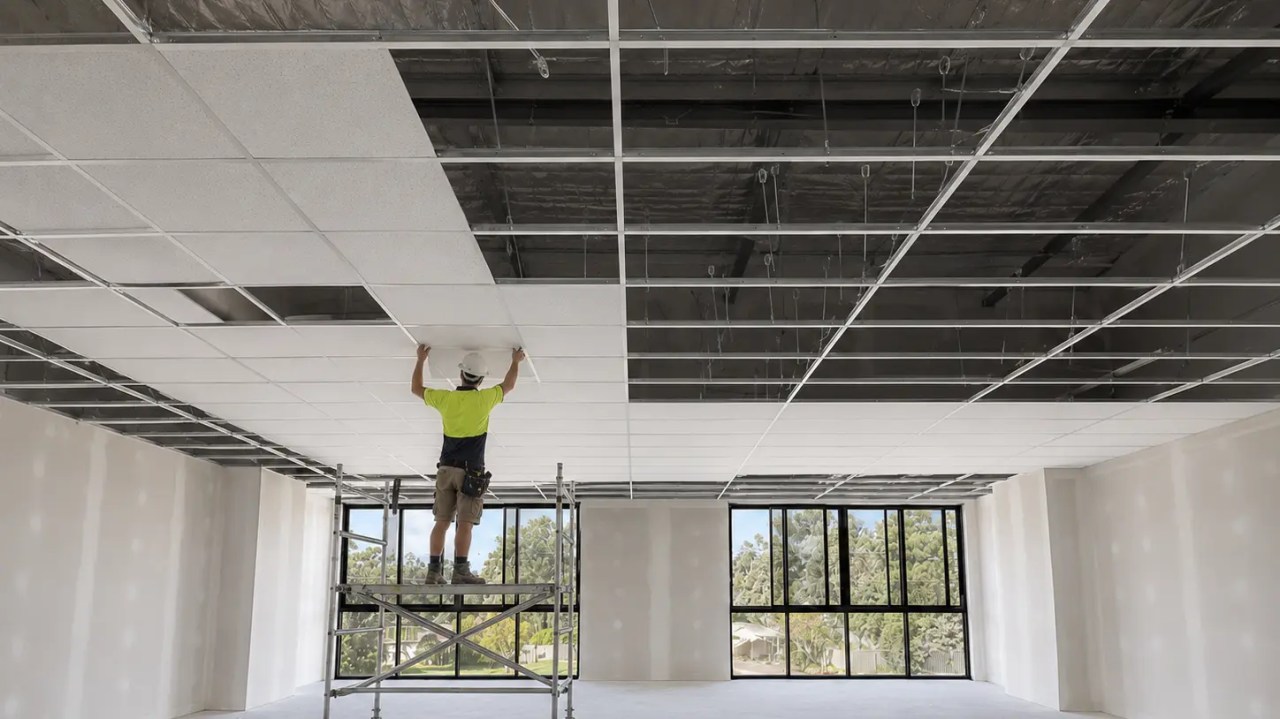 Suspended Ceilings: How the Grid, the Tile and the Services Negotiate SpaceKnowledge
 Art Deco Ceiling Rose: Recognition, Matching and ReplacementKnowledgeGyprock Installation in Perth: Board, Fixing and Finish DecisionsKnowledge
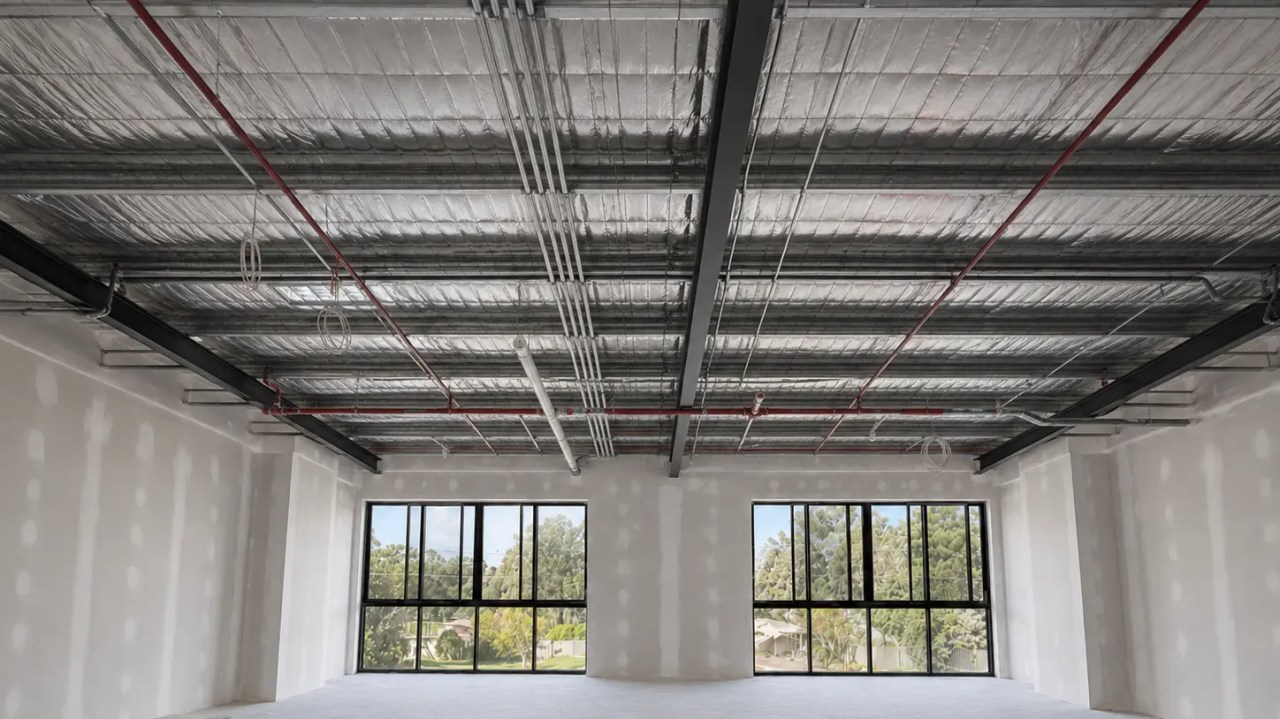 Ceiling Replacement in Perth: Scope, Sequence and What Changes Mid-JobKnowledge