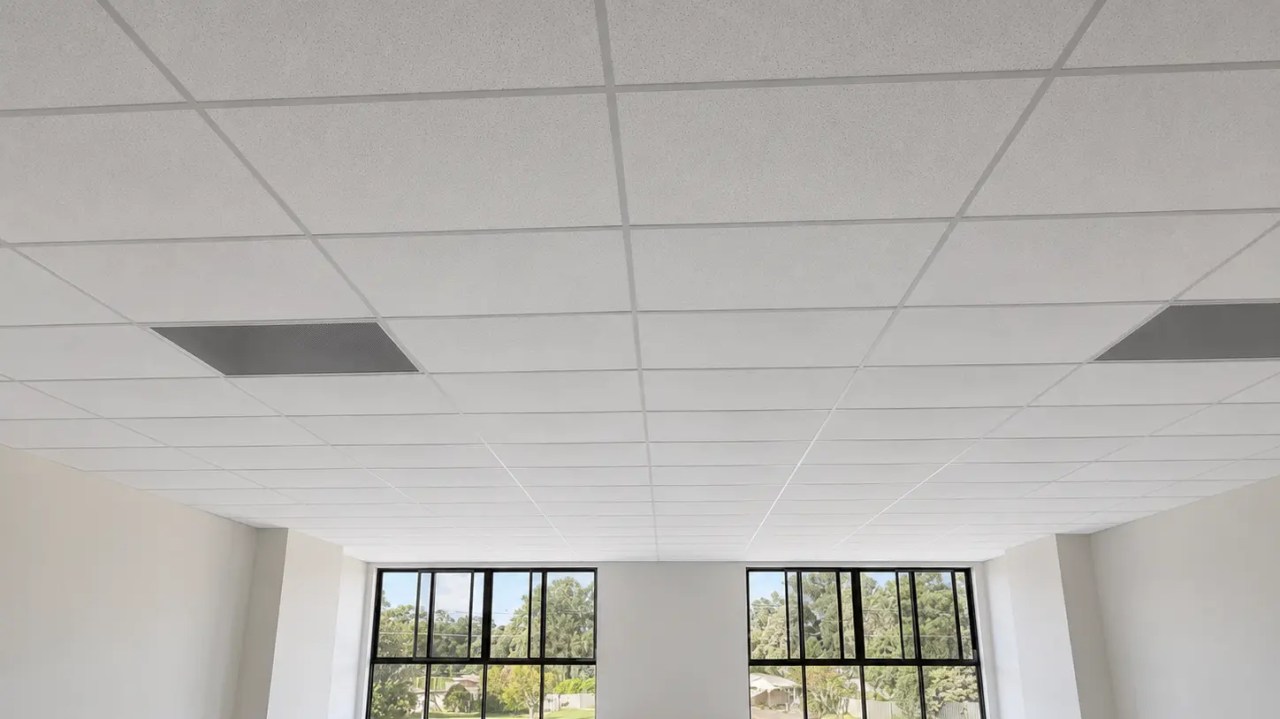
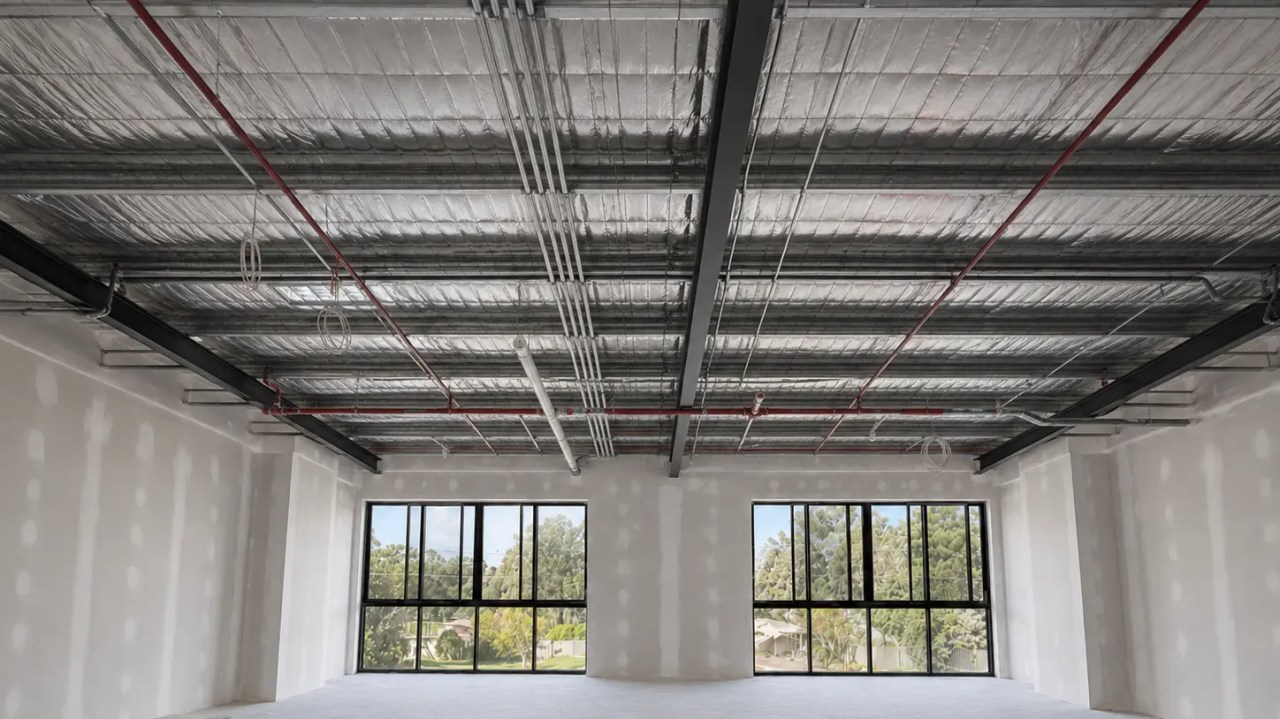
How Do You Fix Black Mould in Ceiling Cavities?
Black mould in ceiling cavities is usually a moisture problem first and a mould problem second. The real fix is to stop the water source, remove contaminated porous materials, dry the cavity properly, and…

Black mould in ceiling cavities is usually a moisture problem first and a mould problem second. The real fix is to stop the water source, remove contaminated porous materials, dry the cavity properly, and rebuild with moisture-resistant products suited to Perth and Western Australia conditions.
What causes black mould in ceiling cavities?
Black mould in ceiling cavities is usually driven by leaks, condensation, or trapped humidity. In Perth, winter roof-space condensation is common when warm indoor air rises into a cool, poorly ventilated cavity. Gyprock, insulation batts, and dust give mould a place to colonise fast once moisture sits long enough.
-
Roof leaks from cracked tiles, failed flashing, or blocked gutters.
-
Bathroom or laundry exhaust that dumps moist air into the roof space.
-
Condensation from warm indoor air hitting cold roofing materials.
-
Wet insulation that keeps the cavity damp for days.
-
Slow plumbing leaks that stain Gyprock before they drip.
Why this matters in Perth
Perth’s coastal humidity and winter rain can push roof cavities over the dew point when ventilation is weak. I’ve seen homes look dry inside while the ceiling void stayed wet enough to feed mould for weeks. CeilingPro crews treat the cavity, not just the visible stain, because surface cleaning alone usually fails.
How do you tell if it is hidden behind Gyprock?
Hidden mould often shows up as a musty smell, brown ceiling staining, paint bubbling, or soft, sagging plasterboard. If the patch keeps returning after cleaning, the growth is likely behind the Gyprock or in the insulation above it. In practice, a thermal camera and moisture meter tell you more than the stain colour ever will.
-
Stains that spread after rain.
-
Corners near vents, cornices, or light fittings.
-
Soft gypsum board or warped joints.
-
Discolouration around a bathroom or ensuite ceiling.
-
Repeated allergic symptoms when the room is closed up.
What we check first
We inspect roof plumbing, sarking, insulation condition, and fan discharge paths. If the exhaust fan vents into the roof space instead of outside, that ceiling cavity becomes a moisture trap. In Western Australia, that mistake is one of the fastest ways to create recurring mould in plasterboard.
Which materials usually need replacement?
Porous materials usually need removal if they are contaminated deeply or remain damp too long. Gyprock, insulation, and compressed dust layers are the usual culprits, while timber framing can often be cleaned if it is sound and fully dried. The decision is based on saturation depth, not just appearance.
CeilingPro field rule
If mould is on both sides of the plasterboard, we treat it as a removal job, not a cosmetic repair. CeilingPro has found that patching over contaminated board almost always leads to call-backs in Perth homes with weak roof ventilation. The cheapest fix upfront is often the most expensive fix later.
Can sporicidal treatment solve it?
Sporicidal treatment helps after the source is fixed and the contaminated material is removed. It is not a standalone cure for active leaks or saturated insulation. A proper sporicidal clean targets remaining spores on hard, non-porous surfaces after HEPA vacuuming and controlled drying.
-
Use it on timber, metal, and sealed surfaces.
-
Do not rely on it to rescue rotten board or soaked insulation.
-
Apply only after containment and debris removal.
-
Pair it with drying, not with paint-over repairs.
-
Finish with a moisture check before closing the ceiling.
What works best in practice
In real jobs, the best results come from three steps: isolate the area, remove the wet porous material, then apply a spore-killing treatment to the remaining structure. Anti-microbial paints and ceiling finishes help later, but they do not replace proper remediation. CeilingPro uses this sequence because it reduces re-growth instead of just whitening the stain.
How do you fix the moisture source properly?
You fix the cause before any cosmetic repair. That means repairing roof leaks, clearing gutters, redirecting exhaust fans outside, improving insulation, and restoring airflow through the roof cavity. If the moisture source remains, mould will return even after a complete clean.
-
Seal roof penetrations and flashing failures.
-
Re-route bathroom fans outdoors.
-
Improve eave or ridge ventilation where suitable.
-
Replace damaged or compressed insulation.
-
Check plumbing above the affected ceiling.
Perth roof-space reality
In Perth, winter condensation often comes from warm indoor air meeting a cold roof deck overnight. During hot summers, daytime heat swings can also drive moisture movement through the structure. Western Australia homes need ventilation that matches the roof design, not a generic one-size-fits-all approach.
Are moisture-resistant boards worth it?
Moisture-resistant plasterboard is worth it in bathrooms, laundries, and other high-risk areas, but it is not a cure for leaks. It performs best when paired with correct ventilation, sealed penetrations, and an exterior discharge path for exhaust air. For repeat-problem ceilings, it is often the most sensible rebuild option.
-
Best for wet-prone ceilings and service areas.
-
Better resistance to short-term humidity spikes.
-
Not designed to survive ongoing roof leaks.
-
Should be installed with moisture-aware detailing.
-
Works well alongside anti-microbial coatings.
Trade-off to consider
Standard Gyprock is cheaper, but it can fail fast if the roof cavity stays damp. Moisture-resistant board costs more upfront, yet it reduces the chance of repeat remediation in Perth and Western Australia homes with coastal humidity and poor roof airflow. CeilingPro typically recommends it where the repair zone has a known history of condensation.
Why is hidden mould a health concern?
Hidden mould matters because spores and fragments can circulate through occupied rooms even when the growth is out of sight. People with asthma, allergies, sinus irritation, or immune sensitivity are more likely to notice symptoms first. The smell, not the stain, is often the best warning sign that the problem is still active.
-
Coughing or throat irritation.
-
Headaches or blocked sinuses.
-
Eye irritation indoors.
-
Worsening asthma symptoms.
-
Persistent damp odour in the room.
What to do before cleanup starts
Do not keep opening the cavity or scrubbing the patch without containment. Disturbing growth can spread spores through the room and into adjacent ceiling spaces. A controlled, methodical approach is safer than a fast cosmetic clean.
When should you call CeilingPro?
Call CeilingPro when the ceiling is sagging, the patch keeps returning, insulation is wet, or the mould smell remains after cleaning. You should also call in help if the affected area is large, near electrical fittings, or linked to a roof leak you cannot isolate quickly. In Perth, fast intervention can prevent a small roof-space problem from becoming a full ceiling replacement.
CeilingPro Expert Views
“The biggest mistake I see is treating ceiling mould as a paint issue. Once the back of the Gyprock is colonised, the job is about source control, removal, drying, and rebuild detail. In Western Australia, especially in Perth winter conditions, a ceiling cavity can look minor from below while the insulation above is holding enough moisture to restart growth in days. The fix has to be structural, not cosmetic.”
How do you prevent it coming back?
Prevention starts with airflow and moisture control. Keep roof drainage clear, vent wet rooms outside, maintain insulation, and inspect the cavity after heavy rain or extended humid periods. In Perth homes, this usually means treating the roof space as a maintained system, not a forgotten void.
-
Run exhaust fans long enough to clear steam.
-
Keep gutters and downpipes flowing.
-
Repair leaks immediately.
-
Replace damp insulation, not just stained board.
-
Inspect the roof space after storms.
Practical maintenance rhythm
A quarterly roof and ceiling check catches most repeat failures before they become expensive. Look for new staining, damp insulation edges, rust around fixings, and blocked fan ducts. CeilingPro recommends documenting every repair so recurring moisture patterns are easier to trace next winter.
FAQs
Can I just paint over black mould?
No. Paint may hide the stain, but it does not stop mould hidden in plasterboard, insulation, or timber. If the moisture source stays active, the patch usually returns.
Does bleach fix mould on Gyprock?
Bleach may lighten surface staining, but porous Gyprock often keeps contamination below the face layer. Removal is usually safer when the board is soft, swollen, or deeply affected.
Is black mould always Stachybotrys?
No. Many moulds look black. Stachybotrys is one possibility, but the growth type should not be guessed from colour alone.
Can roof ventilation reduce ceiling mould?
Yes. Better roof-space airflow lowers condensation risk and helps keep the cavity drier. It works best with proper insulation and correct exhaust fan discharge.
How fast should wet insulation be replaced?
As soon as practical. Wet insulation loses performance quickly and can hold moisture against the ceiling structure, which speeds up mould growth.
Conclusion
Black mould in ceiling cavities is solved by fixing the moisture source, removing contaminated porous materials, drying the structure, and rebuilding with the right products. In Perth and across Western Australia, that usually means better roof ventilation, correct fan discharge, and a more durable ceiling system. CeilingPro focuses on the full repair path so the problem does not keep coming back.