
Water-Damaged and Leaking Ceilings: Recording Ceiling Mould, Damp and the Evidence
Ceiling mould, staining and wet insulation are evidence. What to record before a water-damaged ceiling in Perth is repaired, dried or claimed on.
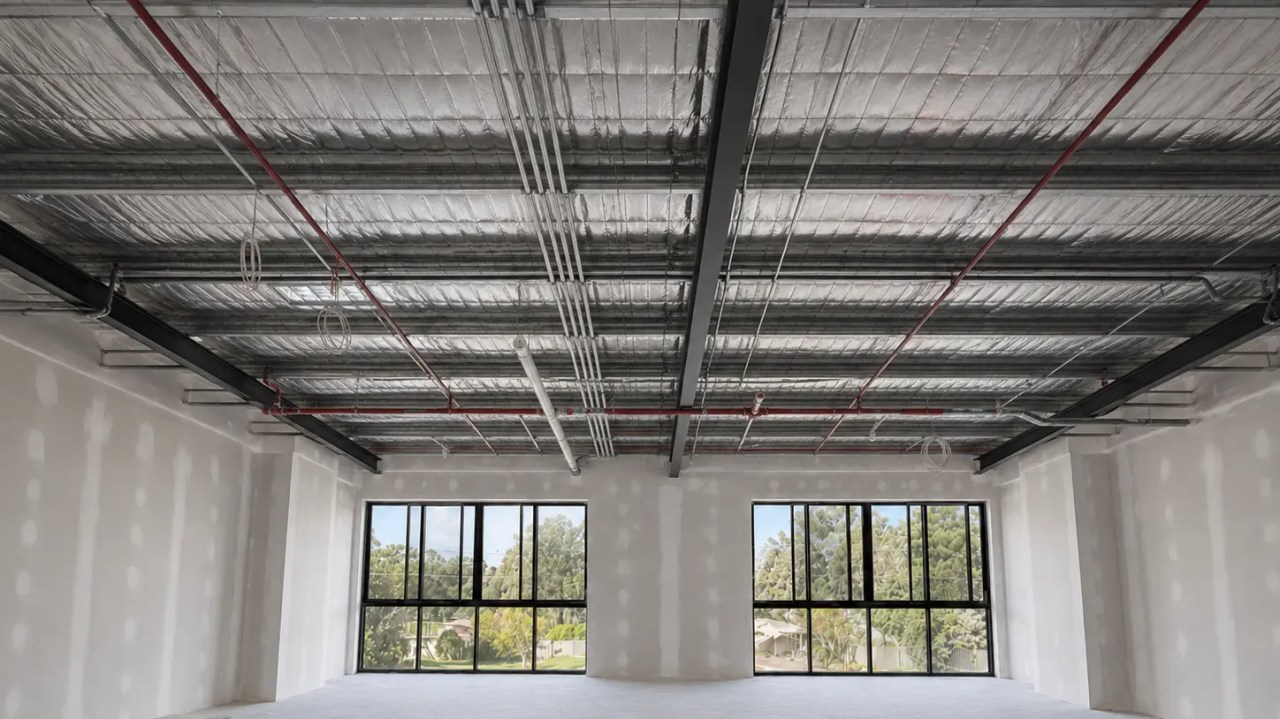
This guide covers stopping the water, what to photograph, how to read a stain, what wet insulation does, when a ceiling needs more than drying, and what an insurer or owners corporation will ask for.
Stop the Water Before You Touch the Ceiling
The first action is to stop or isolate the water source and make the area safe, because any repair carried out while water is still entering will be redone.
Stopping the water is not always within a homeowner’s control. A leaking roof, a failed flashing, a burst pipe, an overflowing fixture above and a failed shower membrane all require their own trade, and in a strata building the source may be in another lot. What can be done immediately is to prevent further damage: turn off the water if a fixture is the source, move furniture and belongings clear, and contain drips with a bucket or a temporary cover rather than by sealing the ceiling surface.
Electrical safety comes next. A wet ceiling may contain wiring, and water tracking through a ceiling space can reach light fittings and junction boxes. Where a fitting is wet, flickering or affected, the circuit should be isolated and the work handed to a licensed electrician. No one should be working in the roof space while water is present or while cabling may be affected, and the general hazard guidance for that kind of work is published by Safe Work Australia.
Making the area safe is the third step. Where the ceiling has sagged or the lining has begun to detach under the weight of water, the risk of a section falling has to be managed, and the safe approach is to keep the area clear and arrange a licensed contractor to inspect it. Ceilings affected by water are one of the situations where a temporary prop or a controlled opening is a contractor task rather than a homeowner task.
What to Photograph Before Anything Is Removed
Photograph the whole picture rather than the stain: the affected ceiling with a scale, the room in context, any water source or path, and the roof space once it is safely accessible.
The sequence that produces the most useful record is: an overview photograph of the room showing where the damage sits relative to doors, windows and fittings; a close photograph of each stain with a tape measure in frame, showing the extent and the tide marks; photographs of any belongings affected; and photographs of the source once it has been identified, along with the route the water took. Where water has been entering for some time, the tide marks on the ceiling also record the highest extent it reached, which is a useful piece of evidence.
Dates matter as much as images. Recording when the damage was first noticed, when it worsened, and when the source was stopped turns the photographs into a history. Where the damage is discovered after a period away from the property, the tide marks and the extent of the staining are the evidence that indicates how long it has been developing.
The roof space record is the second half. Once access is safe, the insulation condition, the water path, any damaged framing or fixings and the standing water or debris are all documented before anything is moved or removed. That record is what connects the damage visible in the room to its cause above, and it is the part of the evidence most often missing when a claim is being assessed later.
Reading the Stain: Where the Water Actually Entered
A stain shows where the water came out, not where it went in, so its shape, tide marks and position are clues to a path that has to be traced from above.
The shape is the first clue. A rounded stain with a defined edge usually indicates gravity-driven flow from a single point above, and the highest edge of the stain is typically close to the entry point. A long, irregular stain suggests water following a framing member, a duct or a pipe, which means the entry point can be well away from where it emerges. Multiple stains in a line suggest a path that has overflowed in more than one place.
The tide marks are the second clue and record the history. Successive rings show where the water stopped and dried, and the outermost ring marks the greatest extent, which often corresponds to the heaviest rainfall or the largest volume of release. Where the paint has blistered, the water has been present long enough to affect the coating and likely the lining as well.
The third clue is the position relative to the building. A stain near an external wall points towards the roof, a flashing, a valley or an eaves detail. A stain in the middle of a room points towards a service running above it, such as a bathroom, a duct or a pipe. A stain beneath a bathroom in a two-storey home points towards a failed waterproofing membrane or a leaking fitting, which is a different repair from a roof leak and needs to be resolved before the ceiling is refinished.
In Perth, storm-driven rain is a common cause and the guidance published by DFES is a useful reference for how storm water behaves around a building, including where it can enter through details that are normally weathertight.
Wet Insulation and What It Does to the Assembly
Wet insulation is a separate problem from the wet ceiling: it holds moisture, loses thermal performance, can compress or slump, and can keep the ceiling and the framing damp long after the surface has dried.
The physical effects are consistent. Bulk insulation works because it traps air, and water fills those spaces, so a saturated batt or loose-fill product conducts heat rather than resisting it. Loose-fill that has been wet often consolidates and slumps, leaving uneven coverage and a lower effective rating even after it dries. Some materials lose performance permanently after wetting, and material that has been wet in a roof space may also have been contaminated by dust, debris or biological growth.
The consequence for the building is that the ceiling lining and the framing above it stay damp longer than the surface suggests. A ceiling that feels dry to the touch can still have a damp layer of insulation resting on it, which keeps the lining warm and moist and creates the conditions for mould growth on its upper surface. That is why an assessment of a water-damaged ceiling includes the space above it, not only the visible surface.
The practical response is to inspect the insulation as part of the repair rather than after it. Where the insulation is wet and cannot be dried in place, it is removed, the space is dried and inspected, the cause is resolved, and new insulation is installed after the ceiling is reinstated. Where the insulation is sound and dry, it can remain, but its condition should still be recorded. The role insulation plays in condensation and moisture behaviour in a roof space is described in the Building Codes Board’s material on condensation mitigation.
Mould, Damp and When a Ceiling Needs More Than Drying
Mould indicates that moisture has been present for long enough to support growth, and where that has happened the ceiling may need more than drying out before it is refinished.
The conditions for growth are straightforward: moisture, warmth and an organic surface. A ceiling with wet insulation above it and a warm room below provides all three. The visible growth is usually on the underside of the lining where the surface is coolest, but growth can also occur on the upper surface and within the insulation, which is not visible from the room at all.
Where the moisture has been prolonged, the lining may have lost strength, the coatings may have failed, and the framing and fixings may be affected. Those are structural and material questions rather than surface ones, and they are assessed by inspecting the ceiling and the space above it. Where the affected material cannot be confirmed as sound or safe to retain, it is removed as part of the repair, and the space is dried and inspected before the reinstatement is designed.
The health question belongs to health authorities and medical practitioners rather than to a contractor, and the international guidance on dampness and mould in indoor environments is published by the World Health Organization. What the building work contributes is the resolution of the moisture source and the removal or treatment of affected material, which is the part that can be verified. Painting over mould, or treating the surface without addressing the moisture, leaves the condition in place and the coating usually fails as well.
Temporary Make-Safe Versus Permanent Repair
A make-safe stabilises the situation and a permanent repair resolves it; the two are separate scopes, and conflating them is how a temporary measure becomes a permanent problem.
| Stage | What it does | What it does not do |
|---|---|---|
| Make-safe | Stops water entry, removes loose material, protects the area | Resolve the cause or reinstate the ceiling |
| Drying and assessment | Establishes the moisture condition and the extent of damage | Repair anything |
| Source repair | Fixes the roof, plumbing or waterproofing defect | Reinstate the ceiling |
| Permanent repair | Removes affected material, reinstates lining, cornice and insulation, refinished | Prevent a future leak that has not been resolved |
A make-safe typically involves stopping the water, removing anything that is loose or at risk of falling, and protecting the room below. It is often what an insurer will authorise first, precisely because the permanent scope cannot be established until the ceiling is dry and the cause is known. The important thing is that the make-safe is recorded as temporary, so it is not mistaken later for a completed repair.
The permanent repair then follows in a defined order: resolve the source, dry and assess, remove affected material, reinstate the lining and the framing if required, reinstate the cornice, reinstate the insulation, and refinish. Each stage depends on the one before it, and skipping the drying or the source repair is what produces a ceiling that stains again within a season.
Where a building is being dried mechanically, the drying is monitored and recorded, because the repair depends on the ceiling having reached an acceptable moisture condition. The reinstatement requirements for the lining itself sit in the National Construction Code, with the lining standards published through Standards Australia.
What an Insurer or Owners Corporation Will Ask For
Insurers and owners corporations assess a documented scope, so the evidence and the scope of works have to describe the same thing and separate the stages clearly.
The evidence they typically require covers the date the damage was noticed, photographs of the affected area with a scale, the moisture history and the source once identified, the condition of the lining, insulation and framing, and the findings in the roof space. For a strata property, the additional items are the location of the damage relative to the lot and the common property, and which parts of the work belong to each. Where the source is in another lot, the coordination between owners and the owners corporation is part of the process rather than an obstacle to it.
The scope of works should separate the make-safe, the source repair, the drying and monitoring, the removal, the structural work, the services, the new lining and cornice, the insulation and the painting, and state what is included at each boundary. Where the cause itself requires a different trade, the insurance and strata process usually requires the source to be documented and accepted before the ceiling reinstatement is authorised, which is why the evidence stage cannot be skipped.
Contractors cannot predict claim outcomes, and CeilingPro does not attempt to. What can be done is to record the condition accurately, describe the scope in stages, and preserve the evidence until the assessing party has had the opportunity to consider it. Our own approach to repairing a water-damaged ceiling follows that sequence, and the broader repair scope is set out on the repairs and maintenance service page.
Frequently Asked Questions
Is mould on the ceiling harmful?
Health questions are for health authorities and medical practitioners rather than contractors, and the presence of mould indicates a moisture problem that should be resolved regardless. The World Health Organization publishes guidance on dampness and mould in indoor environments, which sets out why excess moisture in buildings is a concern and how it is managed. The building work is about removing the moisture source and the affected material.
Does painting over ceiling mould work?
Painting over mould does not resolve it. Coating seals the surface but leaves the moisture source in place, so the problem returns and usually in the same location, with the coating failing as well. The sequence that works is to find and stop the water entry, confirm the ceiling has dried, remove or treat the affected material as required, and only then refinish.
How do I stop mould on my ceiling?
Mould on a ceiling is a symptom of moisture, so the control is moisture management: fix any leak, duct exhaust fans to the outside rather than into the roof space, ventilate bathrooms and laundries, and keep roof-space ventilation working. Insulation changes where condensation forms, so insulation and ventilation are assessed together rather than separately.
Does a wet ceiling have to be replaced?
Not always. A ceiling that has been wet briefly and has dried while remaining sound can often be refinished after the source is fixed. Replacement is required where the lining has lost strength, where it has sagged or delaminated, where it has been wet repeatedly, or where the material cannot be confirmed as safe to retain. The decision follows an inspection of the lining and the space above it.
If a Perth ceiling has been affected by water, send photographs with a scale, the moisture history and the source if it is known through the CeilingPro enquiry form and select repairs and maintenance, or email info@ceilingpro.com.au. We record the evidence before anything is removed.


