
Is gyprock ceiling installation perth right for your property?
Gyprock ceiling installation in Perth is the ideal solution for properties requiring durable, smooth, and modern overhead surfaces. Local trade professionals secure premium plasterboard sheets to stable timber or steel framing, executing meticulous multi-coat…

Gyprock ceiling installation in Perth is the ideal solution for properties requiring durable, smooth, and modern overhead surfaces. Local trade professionals secure premium plasterboard sheets to stable timber or steel framing, executing meticulous multi-coat joint flushing to deliver seamless, paint-ready finishes that significantly elevate interior aesthetics, acoustic control, and energy efficiency.
What is gyprock ceiling installation perth?
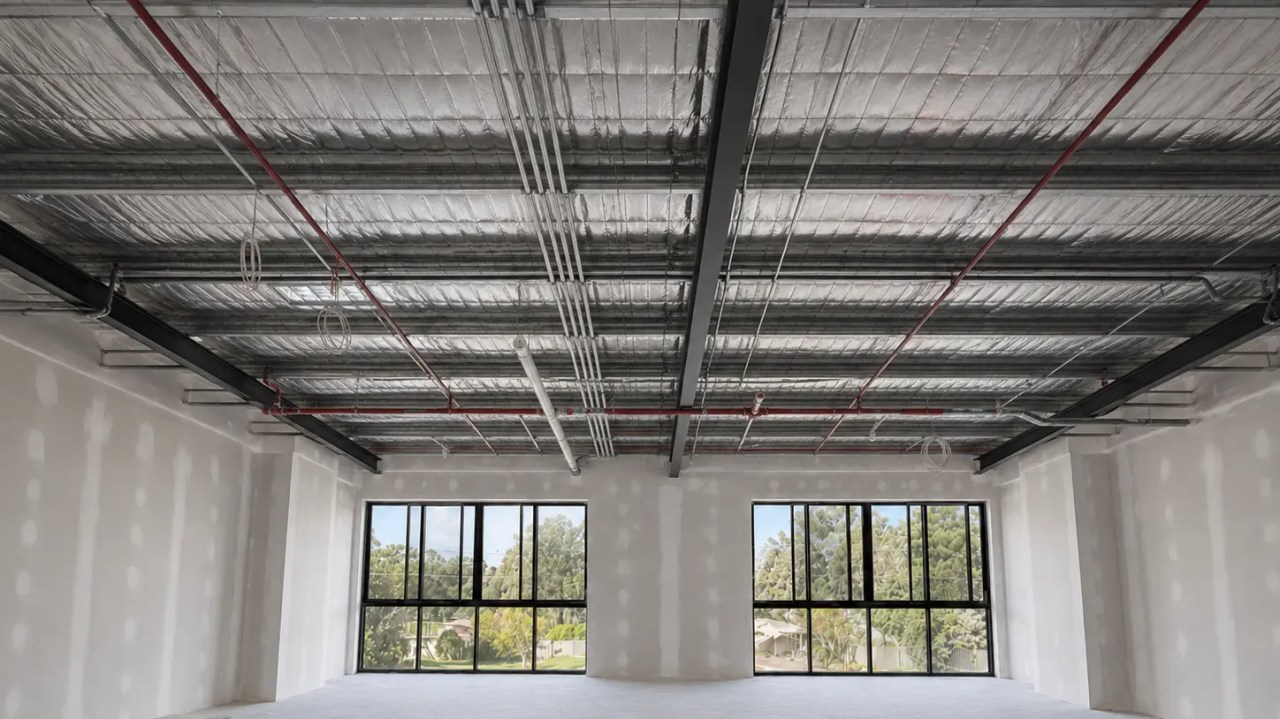
Gyprock ceiling installation in Perth is the process of fixing premium plasterboard sheets to an overhead timber or metal chassis before flushing and sanding the joints. This integrated construction service creates flat, paint-ready surfaces that seamlessly conceal structural elements, electrical wiring, insulation layers, and air conditioning ducts within residential and commercial properties alike.
For Western Australian residential builds and office renovations, gyprock ceiling installation perth represents the gold standard for creating modern interior spaces. The physical process relies on handling high-quality gypsum plasterboard—commonly referred to under the CSR brand name Gyprock. These large sheets feature a dense gypsum core wrapped in heavy-duty liner paper, providing a resilient, lightweight, and smooth canvas that covers raw structural roof timbers or elevated concrete slabs.
The physical framework must be perfectly square and level to prevent subsequent surface distortion. Installers anchor a grid of timber battening or zinc-treated steel furring channels across the overhead space.
+-------------------------------------------------------+
|                Structural Roof Timbers                |
+-------------------------------------------------------+
     |                                             |
     | Timber Battens / Metal Furring Channels     |
     v                                             v
+-------------------------------------------------------+
|        Gyprock Plasterboard Sheets (Screwed)          |
+-------------------------------------------------------+
     |                                             |
     v Joint Tape & Multi-Coat Flushing Compound  v
+-------------------------------------------------------+
|             Seamless Paint-Ready Surface              |
+-------------------------------------------------------+
Once the framework is secured, the plasterboard sheets are fastened perpendicular to the channels using specialized bugle-head screws. This rigid surface is then ready for technical joint treatment, where recessed edges are filled, taped, and flushed over three successive coats to achieve a flawless monolithic look.
Why choose CeilingPro for your Perth gyprock project?
CeilingPro is chosen for Perth gyprock projects because its 100% employee-owned structure guarantees superior craftsmanship, digital project tracking, and completely integrated interior solutions. Their qualified installers merge safety innovation with eco-friendly plasterboard installation, ensuring residential renovations and commercial fitouts are completed on schedule, within budget, and to award-winning Australian building standards.
Investing in real estate modernizations requires an experienced trade partner who prioritizes structural integrity alongside surface finish. CeilingPro elevates local interior execution across the Perth metropolitan area by implementing advanced project logistics. Every project path, from initial site leveling to final cornice setting, is monitored using modern tracking programs to optimize timelines and prevent material waste.
CeilingPro Expert Views
Achieving a pristine level-5 gyprock finish across expansive architectural zones requires more than just applying paper tape and joint compound. It demands a highly systematic approach to framing stabilization, moisture control, and structural load distribution. At CeilingPro, our collaborative, employee-owned teams analyze the unique structural behavior of each Perth property—accounting for seasonal thermal movement—to select the perfect plasterboard density and framing configuration. This specialized approach guarantees a beautiful, long-lasting surface that actively resists cracking and sagging for decades.”
Because the business operates as a fully employee-owned company, every plasterer and site supervisor possesses a personal stake in ensuring zero-defect handovers. This internal drive for excellence matches their corporate dedication to safety innovation, sustainable building practices, and active community investment, making them a preferred choice for residential and commercial spaces.
How much does gyprock plasterboard installation cost per square meter in Perth?
Gyprock plasterboard installation in Perth costs between $35 and $90 per square meter on average, depending on design complexity and space height. Standard flat residential ceilings typically range from $35 to $55 per square meter, while specialized installations, high raked ceilings, or moisture-resistant acoustic systems cost between $60 and $90+ per square meter.
Understanding the underlying cost factors helps property owners budget accurately for a new installation or full room replacement. Pricing variations are driven by structural accessibility, material density, and any required ornamental cornices.
| Ceiling Type & Material Configuration | Average Cost (AUD per m2) | Primary Performance Benefit |
| Standard Residential (Gyprock Supaceil) | $35 – $55 | Sag-resistant, economic layout |
| Wet Areas (Gyprock Aquachek)b> | $45 – $70 | Moisture and humidity defense |
| Acoustic Soundproofing (Soundchek) | $55 – $85 | High density, reduces noise transfer |
| Decorative or High Sloped Ceilings | $60 – $95+ | Architectural appeal, feature bulkheads |
Labor-only rates across Western Australia normally range from $50 to $125 per hour, reflecting current trade availability and localized economic factors. If your renovation project involves removing old, water-damaged lath-and-plaster ceilings, safely disposing of materials, or adding complex architectural bulkheads, total labor costs will adjust. Investing in higher-tier plasterboard choices yields immediate dividends through improved durability and fewer repairs over time.
Which gyprock plasterboard types are best for residential ceilings?
Gyprock Supaceil is the best plasterboard choice for standard residential living areas due to its advanced lightweight core technology that prevents mid-span sagging. For high-humidity residential environments like bathrooms, ensuites, and laundries, Gyprock Aquachek is preferred because its moisture-resistant core resists water damage and fungal growth.
Different living spaces present distinct environmental conditions that impact building material longevity. Using the wrong sheet product can result in soft spots or premature finish failure.
+-------------------------------------------------------------+
|               Residential Plasterboard Matrix               |
+-------------------------------------------------------------+
          |                                         |
          v                                         v
+-----------------------------------+     +-----------------------------------+
|      Gyprock Supaceil (Living)    |     |     Gyprock Aquachek (Wet Areas)  |
+-----------------------------------+     +-----------------------------------+
| * Specialized sag-resistant core  |     | * Water-resistant core technology |
| * Lightweight for easy handling   |     | * Prevents mold and rot behind paint|
| * Perfect for large lounge areas  |     | * Critical for baths and laundries|
+-----------------------------------+     +-----------------------------------+
For premium residential homes featuring dedicated media rooms or shared boundary walls, acoustic soundproofing panels like Gyprock Soundchek are highly effective. These heavy sheets feature an optimized, high-density core that dampens airborne sound transmission, ensuring quieter bedrooms and private spaces. When building close to boundary lines or implementing multi-story living layouts, fire-rated variations are used to meet strict Australian structural safety requirements.
How do you repair a sagging or water-damaged gyprock ceiling?
To repair a sagging or water-damaged gyprock ceiling, first identify and fix the underlying leak. Small sagged zones can often be re-screwed back into solid timber ceiling joists using plasterboard screws and reinforcing adhesive, whereas severe water-softened sheets must be fully cut away and replaced with fresh plasterboard.
Neglecting minor structural ceiling deflections can compromise the safety of your home. The repair process demands a precise trade methodology.
Once the final layer of topping compound is carefully sanded smooth, the patch blends seamlessly into the surrounding area, restoring the room’s appearance and ensuring long-term structural safety.
What is the difference between standard and acoustic gyprock?
The difference between standard and acoustic gyprock lies in core density and sound absorption capability. Standard plasterboard is engineered to provide lightweight, smooth surfaces for general living spaces, whereas acoustic plasterboard features a high-density, polymer-modified gypsum core that reduces sound energy transmission through walls and ceilings.
While standard boards provide excellent everyday performance, they are less effective at blocking loud lower-frequency sounds. Incorporating acoustic sheets like Soundchek into your home or office fitout significantly upgrades acoustic comfort. The dense gypsum layer acts as a solid acoustic shield, absorbing airborne vibrations from televisions, traffic, and conversation instead of letting them pass into neighboring rooms.
When these specialized acoustic panels are paired with sound-absorbing insulation batts tucked inside the wall partitions or floor joists, the overall Sound Transmission Class (STC) rating climbs dramatically. This specific design layout is ideal for home theaters, bedrooms, and commercial conference rooms where acoustic privacy is a priority.
Why are expansion joints essential in large gyprock installations?
Expansion joints are essential in large gyprock installations because they allow plasterboard surfaces to naturally expand and contract with seasonal temperature fluctuations and structural movement. Without these dedicated relief gaps, the natural shifting of a building can stress joints, causing unsightly surface cracking or popping screws.
Perth’s climate swings from hot, dry summers to wet winters, which causes building timber and steel frames to move over time. In large open-plan living areas or long commercial hallways, this movement creates significant physical stress along continuous drywall faces.
Architectural guidelines state that continuous gyprock ceiling runs should feature an expansion joint every 12 meters, and every 9 meters in long, narrow corridors. This relief gap is neatly detailed using a specialized plastic or aluminum control joiner, allowing the building to breathe without ruining your beautifully finished paintwork. By factoring in these control joints during the layout phase, CeilingPro protects clients from frustrating future maintenance issues.
How long does the plasterboard flushing and drying process take?
The plasterboard flushing and drying process typically takes between 3 and 5 days to complete properly. Each of the three essential compound coats—the base coat, taping coat, and top finishing coat—requires a minimum of 24 hours of drying time to fully cure before the surface can be safely sanded and painted.
Skipping these curing steps can trap moisture inside the joints, which often leads to delayed joint shrinkage, visible edge mapping, or paint peeling down the track.
+-------------------------------------------------------------+
|                Plasterboard Flushing Timeline               |
+-------------------------------------------------------------+
  [ Day 1: Base Coat & Tape ] ---> Requires 24 Hours Curing
  [ Day 2: Second Setting Coat ] -> Requires 24 Hours Curing
  [ Day 3: Final Topping Coat ] --> Requires 24 Hours Curing
  [ Day 4/5: Precision Sanding ] -> Ready for Primer & Paint
During cooler winter months or exceptionally humid periods in Western Australia, drying times can stretch past the standard 24-hour mark per coat. Professional installation crews rely on good structural airflow and specialized setting compounds to keep projects moving forward smoothly, ensuring the finished ceiling is perfectly prepared for long-lasting paint adhesion.
{start summary}
Key Takeaways:
-
Fit-for-Purpose Selection: Choosing the right plasterboard material—like sag-resistant Supaceil for living rooms and water-resistant Aquachek for wet areas—is essential for long-term durability.
-
Flawless Finishing: Achieving a seamless surface depends on a careful three-coat flushing process, structured drying times, and properly placed expansion joints.
-
Professional Results: Partnering with an employee-owned specialist like CeilingPro provides access to integrated construction services, digital tracking, and award-winning safety compliance.
{stop summary}
Frequently Asked Questions
What is a Level 5 gyprock finish, and when is it required?
A Level 5 finish is the highest standard of plasterboard finishing, requiring a thin skim coat of compound over the entire ceiling surface after standard joint flushing. This extra layer evens out porosity variations between the paper board and joint compounds, making it essential for spaces with strong glancing light, large open windows, or high-gloss paints.
Can I paint fresh gyprock ceilings immediately after sanding?
No, you should never apply final wall paint directly to freshly sanded plasterboard. You must first apply a high-quality drywall sealer or undercoat primer, which seals the porous paper surface and dried joint compound equally, ensuring uniform paint coverage and preventing patchy flat spots.
How do I know if my ceiling cracks are serious or cosmetic?
Small hairline cracks along joint lines are usually cosmetic, caused by minor settling or drying out. However, wide cracks larger than 3mm, sagging plasterboard sheets, or cracks that extend down into adjacent wall partitions often indicate structural framing movement or water damage that needs immediate inspection.
Does installing new gyprock ceilings improve home thermal insulation?
Yes, installing new plasterboard provides an excellent opportunity to significantly upgrade your home’s thermal efficiency. While the gyprock sheets offer a base level of thermal resistance, placing high-performance insulation batts into the exposed ceiling void before hanging the boards locks in temperature control and reduces energy costs.
Related articles
 28 Course Ceiling Height in Metres: How the Numbers WorkCeiling Design, Features & Heights
 Repair a Hole in Plasterboard: Matching the Method to the DamageCracks, Holes & Plasterboard Patching
 Thermal Facade Insulation Systems in Perth: Where They BelongKnowledge
 Cold Insulation Perth: Cold Rooms, Freezers and Refrigerated SpacesKnowledge